


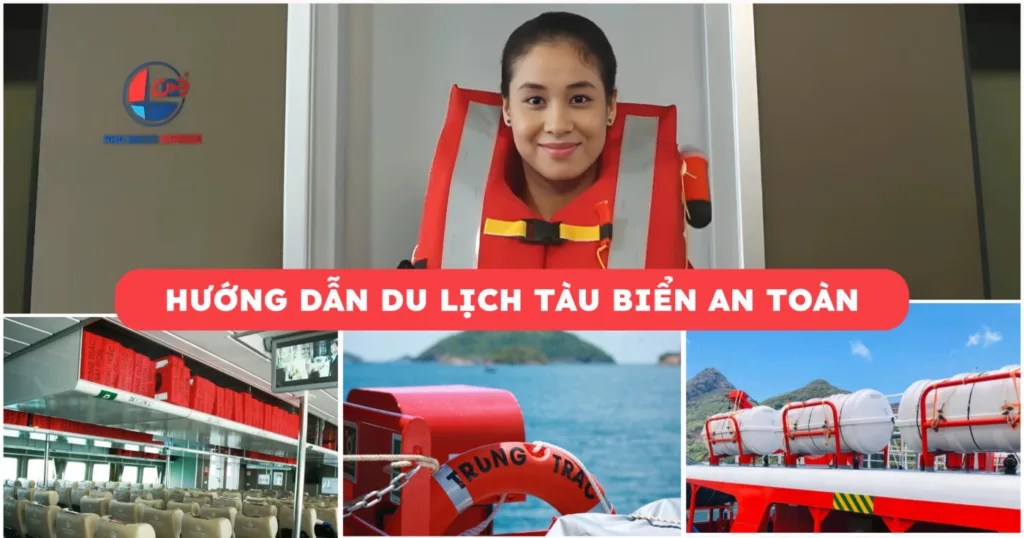
Guide to safe cruise travel
Cruise travel is a unique and exciting experience, taking visitors to explore the vast ocean and beautiful islands. However, besides the excitement of discovery, ensuring the safety of yourself and your family throughout the journey is extremely important. Safety instructions when traveling by cruise ship The following will help tourists – whether domestic or international – equip themselves with the necessary knowledge to have a safe and memorable sea trip. We will learn about safety rules when traveling by ship, important life-saving equipment on cruise ships, as well as steps to handle emergency situations. Be well prepared for your cruise trip. safe absolute and complete joy!
The importance of safety when traveling by sea
Accidents involving boats are rare but not impossible. Knowing the safe cruise travel guide and situation handling skills will help you protect your life and that of your companions. For high speed boat Phu Quoc Express Like any cruise ship, shipping lines have pre-departure safety briefings, including introductions to life-saving equipment and evacuation plans. Listening carefully and understanding these briefings is key to a safe journey. safe cruise travel. In fact, in an emergency, passengers who are prepared and calm are more likely to survive. safe and have a higher chance of survival. Therefore, “safety” must be put first so that every voyage ends well.
Preparation before boarding and safety rules on the journey
Before the trip cruise ship – speedboat To begin, visitors should take some important steps to ensure the safety of themselves and their families:
- Attend the pre-trip safety briefing: Once on board, listen carefully to the safety instructions from the crew or the instructional video. Here are safe cruise travel guide required on all ships. The briefing usually covers what to do in case of an emergency, the escape routes, the location of life jackets and how to use emergency equipment. Don’t miss it – it could save your life in an emergency.
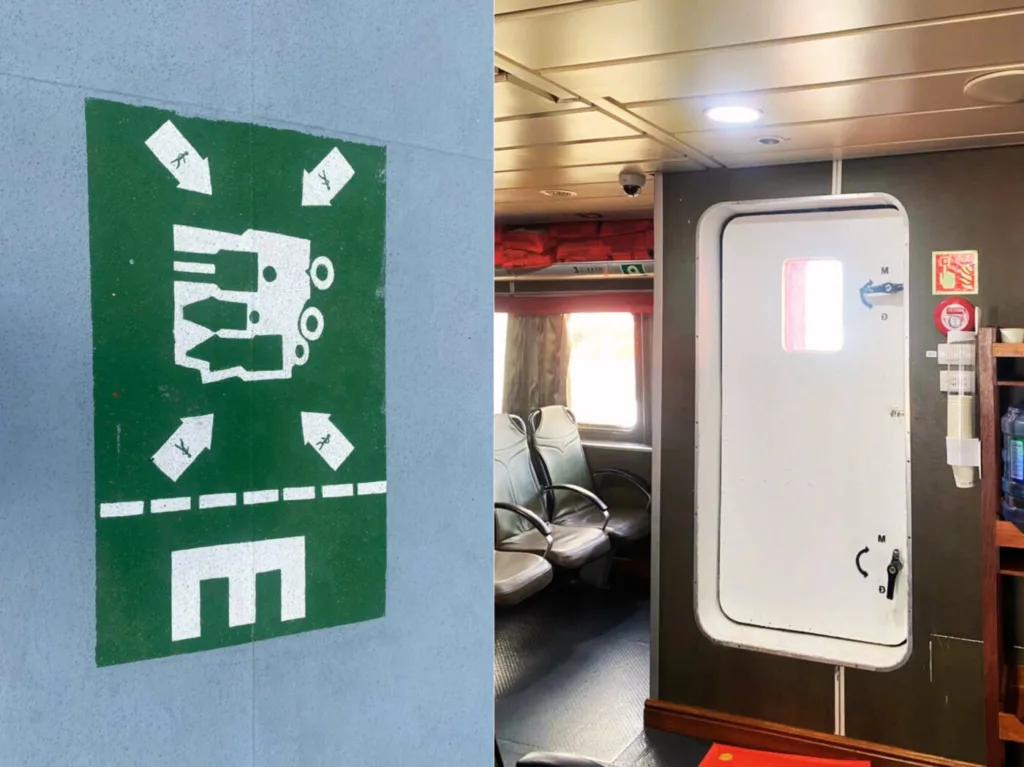
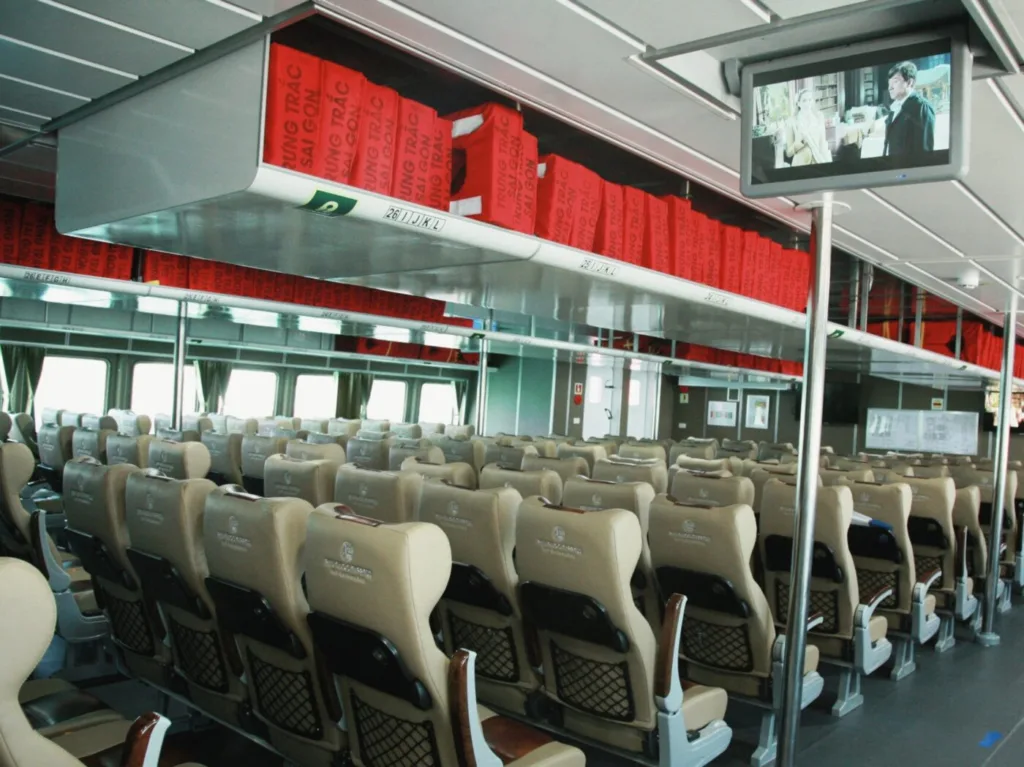
- Locate life-saving equipment and escape routes: When boarding, be proactive in learning gathering place emergency (passenger assembly point in case of alarm) and exits near your seat or rest room. Locate the life jacket (usually located right on the shelf above the seat) and make sure you know how to use them. On these high speed train or small boat, safety when traveling by sea require passengers to wear life jackets from the beginning of the journey. As for large ships such as cruise ships, you should know where the life jackets are located so that you can use them promptly. In addition, pay attention to whether the ship has arranged life buoy on the deck or railing (usually orange round buoys hung along the side of the ship) and lifeboat or inflatable raft on the upper floor (if available). Being familiar with these devices will help you be more proactive in case of an incident.
- Follow safety rules throughout the trip: To safe cruise travel, every passenger should act with caution and follow all instructions from the crew. Do not run or play on the deck – the deck can be slippery when wet. Always hold on to the handrails when moving on the deck, especially in rough seas. Avoid climbing, sitting on the railings or going to restricted areas. For families with young children, supervise them at all times, put life jackets on them if necessary and do not let them run around the ship without an adult. In addition, pay attention to safety when traveling by sea by limiting crowding on one side of the ship to help keep the ship balanced (especially on small boats). Adhering to these general rules helps prevent accidents and ensures a smooth journey.
- Prepare a plan for emergencies: Even though it is unlikely to happen, you should still be prepared for the worst. When boarding the train, look at the emergency exit map (if available) and visualize the quickest way out from where you are to where you are. gathering place or lifeboat. If you are traveling in a large group or family, especially with children, agree on an evacuation plan in advance: for example, assigning adults to each child, who will carry essential items (such as identification and medicines), and where to meet if you get separated. Spending a few minutes discussing hypothetical scenarios of “what to do if there is an alarm” will help everyone stay calm and coordinate better, ensuring safe for the whole group
- Equip personal safety equipment: One little tip to increase safety is to carry a small flashlight or a personal signal device in your carry-on luggage. A small flashlight can be useful if the incident occurs at night or the train loses power, helping you find your way or signal the rescue team. If you have a smart watch or personal locator device with an SOS function, have it ready to use when needed. These are small items but can be a great help in an emergency.
Doing the above steps well will help you feel more confident when starting your trip. Most importantly, always stay calm and cooperate with the crew – they are trained to ensure safe cruise travel for all passengers.
Life-saving equipment on ships – speedboats you need to know
Every cruise ship, especially high-speed ships or large yachts, is equipped with many life-saving devices to ensure the safety of passengers in case of emergency. Understanding these devices and their uses will help tourists be more proactive if a bad situation occurs. Below are some of the important life-saving equipment usually on Phú Quốc Express high speed ships as well as ships in general:
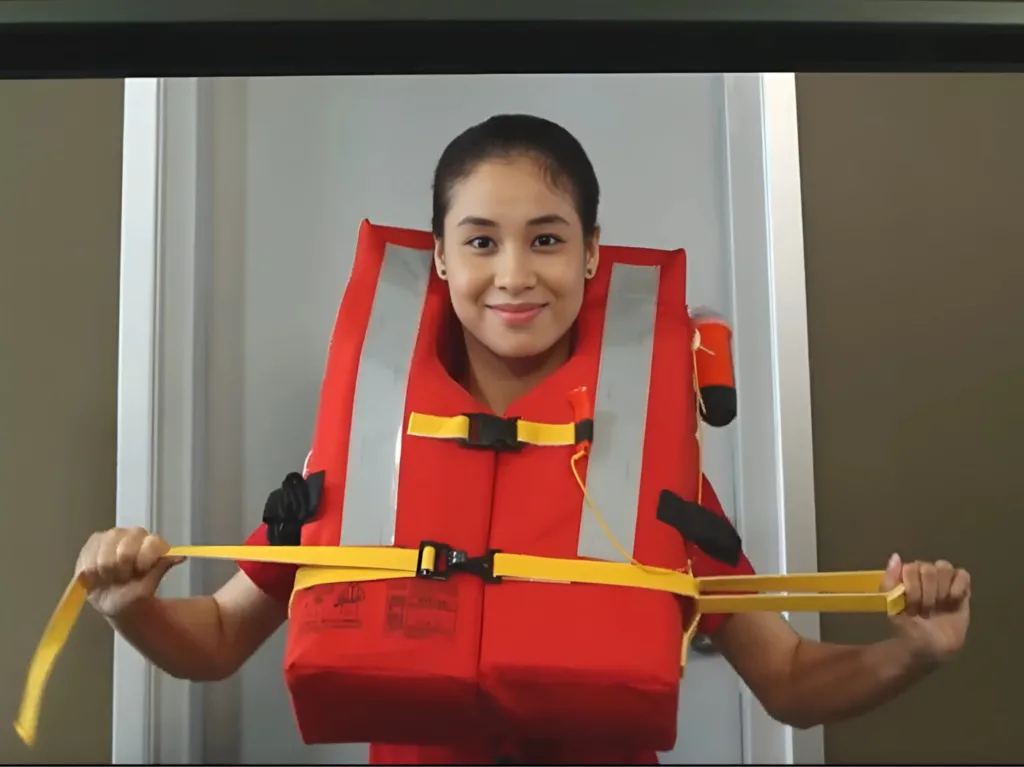
- Life jacket Life jacket: This is the most basic and important life-saving item for every passenger. Life jackets are designed to help your body float on the water, keeping your head above water so you can breathe if you fall overboard. Each person on board is usually given a personal life jacket and the location of the life jacket is clearly indicated (under the seat, on top of the seat or in the locker in the stateroom). Make sure you know how to put on the life jacket properly: fasten the straps securely, zip it up and tie the strap around your waist. In case of emergency, safe cruise travel guide Always emphasize that putting on a life jacket for yourself (and helping children and the elderly put on a life jacket) must be a top priority immediately after an alarm is sounded.
- Life buoy: Buoys, usually orange in color and fitted with lights or reflective tape, are circular buoys placed at various locations along the side of a ship. Their primary use is life buoy round is to throw into the water for the person who fell into the sea (the person fall into water) cling to and float to the surface of the water. When detecting someone falling off the ship, nearby passengers or crew members will immediately drop the lifebuoy so that the victim has a means of flotation to cling to before being rescued. The lifebuoy helps keep the victim from sinking and is also easier to see on the sea surface, making it easier for the rescue team to locate and approach quickly.
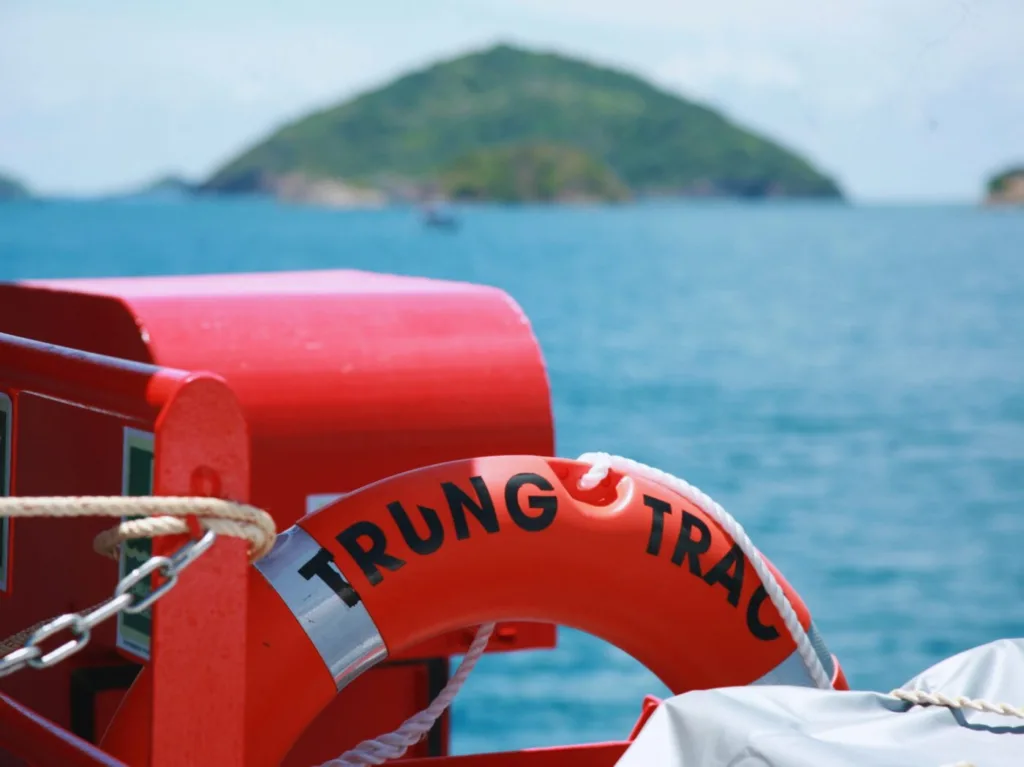
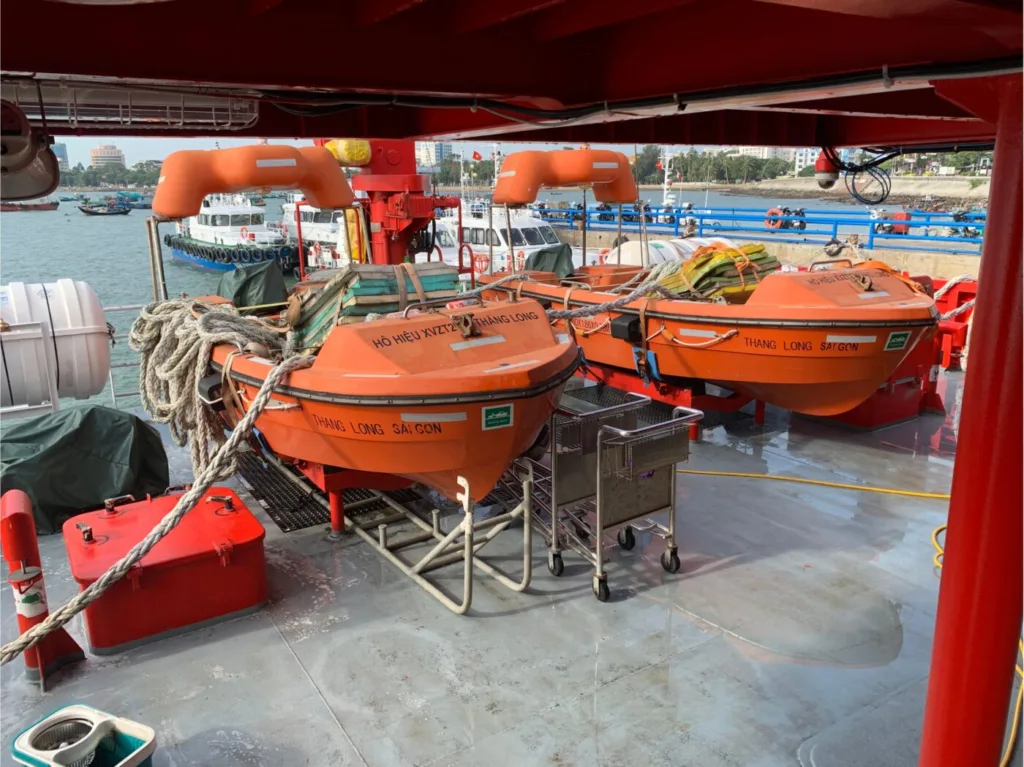
- Lifeboat: Lifeboats are small boats (made of hard materials such as composite or metal) placed on ships, usually suspended from the sides or stern of the ship, used for "abandon ship” In case of emergency, all passengers must be evacuated. Each lifeboat has a certain capacity (clearly stated on the boat) and is equipped with an engine, oars, food, drinking water, positioning equipment, radios, etc. to ensure that those on board can survive while waiting for rescue. According to maritime safety regulations, large cruise ships must have enough lifeboats for everyone on board. When the order to abandon ship is given, the crew will guide passengers to move to the lifeboats in an orderly manner. Contents hlike safety tips when traveling by sea Passengers are always advised to follow the crew's arrangements, board the lifeboats in order of priority (children, women, the elderly, then others) and quickly leave the ship to ensure safety.
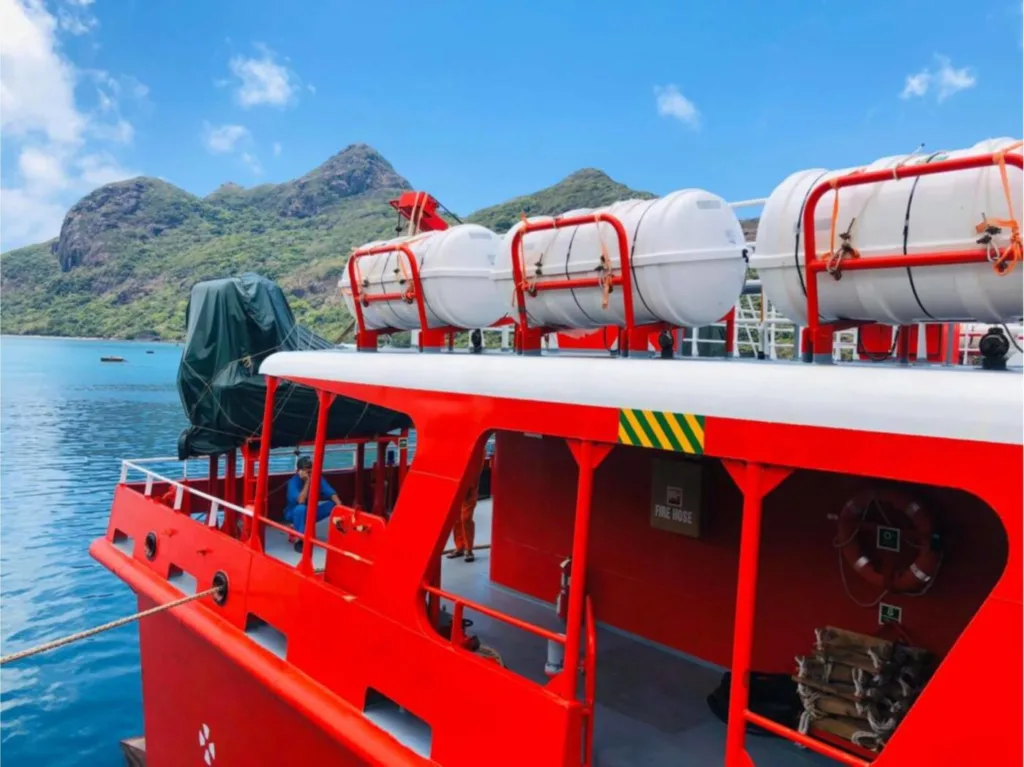
- Life raft is a type of spare lifeboat made of synthetic rubber, can automatically inflate (self-inflate) when activated. Life rafts are usually packed in large cylindrical or square boxes placed on the deck of the ship. When the ship is in serious trouble and needs to evacuate many people, the life raft will be dropped into the sea, then they will automatically expand into a raft floating on the water surface. Self-inflating life rafts have a roof, can hold many people (depending on the size of the raft) and are usually equipped with drinking water, emergency food, flares, communication equipment, etc. Life rafts play a supporting role if the number of rigid lifeboats is not enough or in case the ship sinks too quickly to lower the lifeboats. For high-speed ships or medium-sized tourist ferries, self-inflating life rafts are key life-saving equipment to ensure safety when traveling by sea for passengers
In general, all of the above life-saving equipment is intended to keep passengers afloat and sustain life until they are rescued. When boarding a ship, you should be aware of the location and use of each of these devices. Passengers' understanding and proactiveness with the life-saving equipment will contribute significantly to the safety of passengers. safe cruise travel and respond effectively if a bad situation occurs.
Handling emergencies on board ships
Although no one wants it, you should be prepared to handle an emergency on board a ship calmly and effectively. Here are some tips: Safety instructions when traveling by high-speed train What to do immediately when an incident occurs on board:
- Stay calm and listen to instructions: When you hear emergency alarm signal (usually a ship’s whistle or bell ringing repeatedly), the first thing you need to do is stay calm. Panic will only make the situation worse. Take a deep breath and listen carefully to the announcements from the captain or crew over the loudspeaker system. They will inform you about the incident and give you instructions on what to do next. Always follow the crew’s instructions – whether you are a domestic tourist or a international guests, escape instructions are designed to ensure the safety of everyone.
- Quickly put on a life jacket: As soon as an alarm is sounded or when asked to evacuate, wear life jacket put on your body. If you are in your room, take the life jacket from under the bed or closet and put it on immediately. In case you are on the deck, the life jacket may be distributed directly by the crew. Stay calm and follow the instructions correctly: put the jacket on your head, fasten the buckles and straps firmly around your body. Help the people around you put on the life jacket, especially prioritize putting on the life jacket properly for children and the elderly first, then your turn if necessary (in normal situations, put on your life jacket first and then help others, to ensure your safety before you can help others). The life jacket will help protect your life if you have to come into contact with water, so absolutely do not delay in this.
- Move to evacuation center: Every ship has its own regulations. gathering place passengers during evacuation (which may be a clear and safe deck area, commonly called a muster station). After putting on your life jacket, quickly move according to the instructions and directions on the boat (arrow signs, flashing lights, etc.) to get to this gathering point. Do not push or shove, move quickly but in an orderly manner, giving way to children, the elderly, and the injured (if any). Note Do not return to the room or go get your luggage – in an emergency, life is more important than any property. The crew has usually been assigned to do a final check of the cabins, so your task is to focus on leaving the danger zone as quickly as possible.
- Get into the lifeboat or life raft as ordered: Once you have reached the assembly area and received instructions to leave the ship, board the ship in order. lifeboat or life raft follow the instructions of the crew. Normally, children and the elderly will be given priority to get on the boat first, then other passengers. Keep order, absolutely do not push when getting on the lifeboat. If the lifeboat is full, the crew can guide you to another boat or use the inflatable life raft. In case the ship sinks quickly and the life raft is not lowered in time, the life raft will be thrown overboard – at this point, make a controlled jump into the water (holding your nose and closing your eyes, feet first) and swim to the nearest life raft. Once on the lifeboat or life raft, everyone should sit close together to keep warm and follow the instructions of the crew or lifeboat captain.
- Call for help and wait for help: Modern cruise ships such as Phú Quốc Express cruise ship All boats are equipped with emergency communication systems (radio, satellite positioning) and usually send out distress signals as soon as an incident occurs. If you are on a lifeboat or life raft, find and use available communication or signaling devices (walkie-talkies, flares, reflectors, whistles, etc. depending on the situation) to attract the attention of the rescue team. While waiting for rescue, try to stay calm and encourage each other. Use the items on the boat sparingly and efficiently – for example, divide the water and food if there is a long wait. Always believe that your preparation and calmness will increase the chances of survival for yourself and those around you.
- Support each other and stay positive: An indispensable element to safe cruise travel In a dangerous situation, teamwork is the key. If you see someone panicking or injured, try to calm them down and help them to the best of your ability (after you have ensured your own safety, of course). Being disciplined together and encouraging each other while waiting for rescue will keep the whole group safer than if each person has their own ideas. Remember, even though accidents are rare, when they do happen, those who are calm and well-prepared have the best chance of survival. Keep faith and hope in the rescue team, and act accordingly. safe cruise travel guide Being prepared will help you get through the problem.
Maritime safety commitment from Phú Quốc Express – A solid foundation for every journey
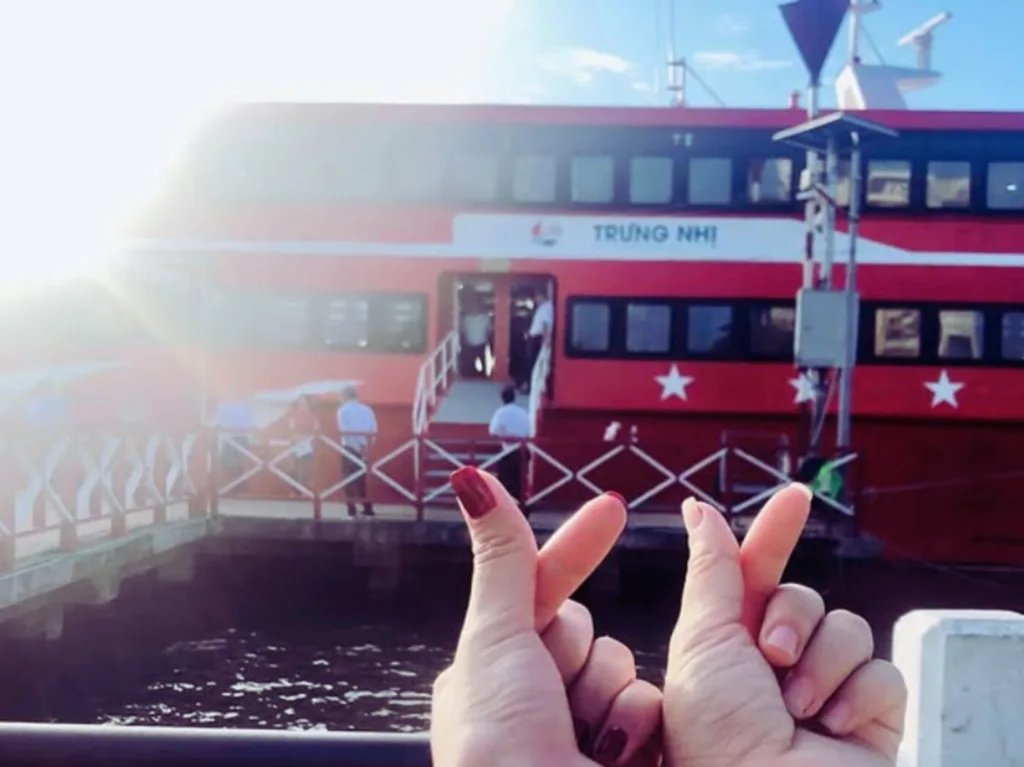
On the journey towards absolute safety standards for tourists, Phu Quoc Express has affirmed its position as one of the leading prestigious shipping brands in Vietnam. Owning a team catamaran The largest and most modern recognized in the country, Phú Quốc Express not only impresses with its scale but also with its organizational capacity and methodical investment in ensuring maritime safety.
Each ship in the system is designed according to European standards, integrating advanced maritime technology with a full life-saving equipment system such as life jackets, lifebuoys, self-expanding life rafts and mobile rescue boats. All crew members are highly trained, ready to support and respond effectively to any situation that may arise during the journey. Emergency scenarios are rehearsed periodically to ensure that each trip is not only a comfortable experience but also a a journey of maximum safety.
With the motto "Safety is the foundation of service", Phú Quốc Express has become a trusted choice of millions of domestic and international tourists. Whether you are preparing for a tour Pearl Island Phú Quốc or journey to explore the southern islands, peace of mind always accompanies you when choosing Phú Quốc Express - where technology, service and safety commitment at the highest level converge.
There is nothing more wonderful than floating on the sea, breathing fresh air and admiring the ocean scenery. Cruise travel brings us memorable memories, and knowledge. safety when traveling by sea will ensure those memories are always beautiful. In short, every tourist should equip themselves with knowledge about maritime safety, from following the ship's instructions, using life jackets proficiently, to knowing how to handle problems when they arise. With safety instructions when traveling by cruise ship With the details above, we hope you are ready for your cruise ship adventure with confidence and peace of mind. We wish you a fun, exciting and safe absolute!
