


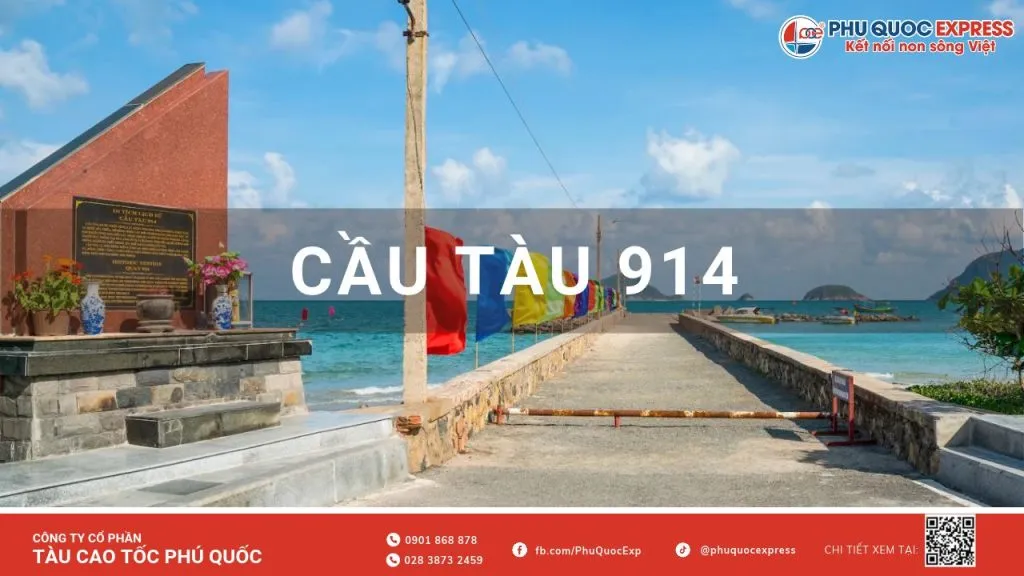
In the center of Côn Đảo Special Economic Zone, a stone bridge stretching out into Con Son Bay is where almost every tourist stops first. That is Cầu tàu 914 Côn Đảo, This monument is associated with more than a century of imprisonment and is a witness to the return of political prisoners to the mainland. This article helps you understand why the bridge named 914 was built, and also provides enough information for visiting, offering incense, and planning a complete itinerary.
Quick information
| Categories | Information |
|---|---|
| Location | Ton Duc Thang Street, in front of the Governor's Palace in Côn Đảo Dao Special Economic Zone (HCMC) |
| Ticket price | Free of charge |
| Now for the tour | Full day freedom (outdoor open space) |
| Time should be spent | 30–60 minutes |
| Beautiful time frame | 5:30–8:00 and 16:30–18:00 |
| Ranking | Part of the Special National Relic of Côn Đảo Prison |
1. Where is the 914 Côn Đảo pier located?
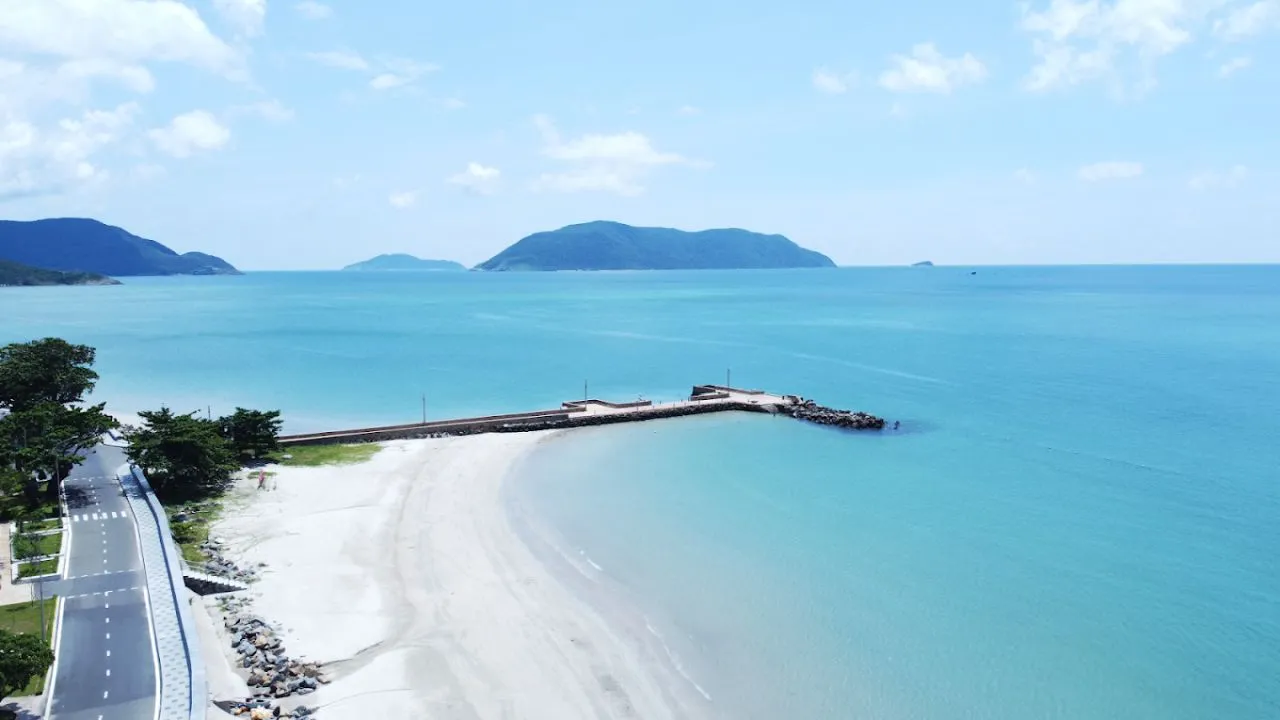
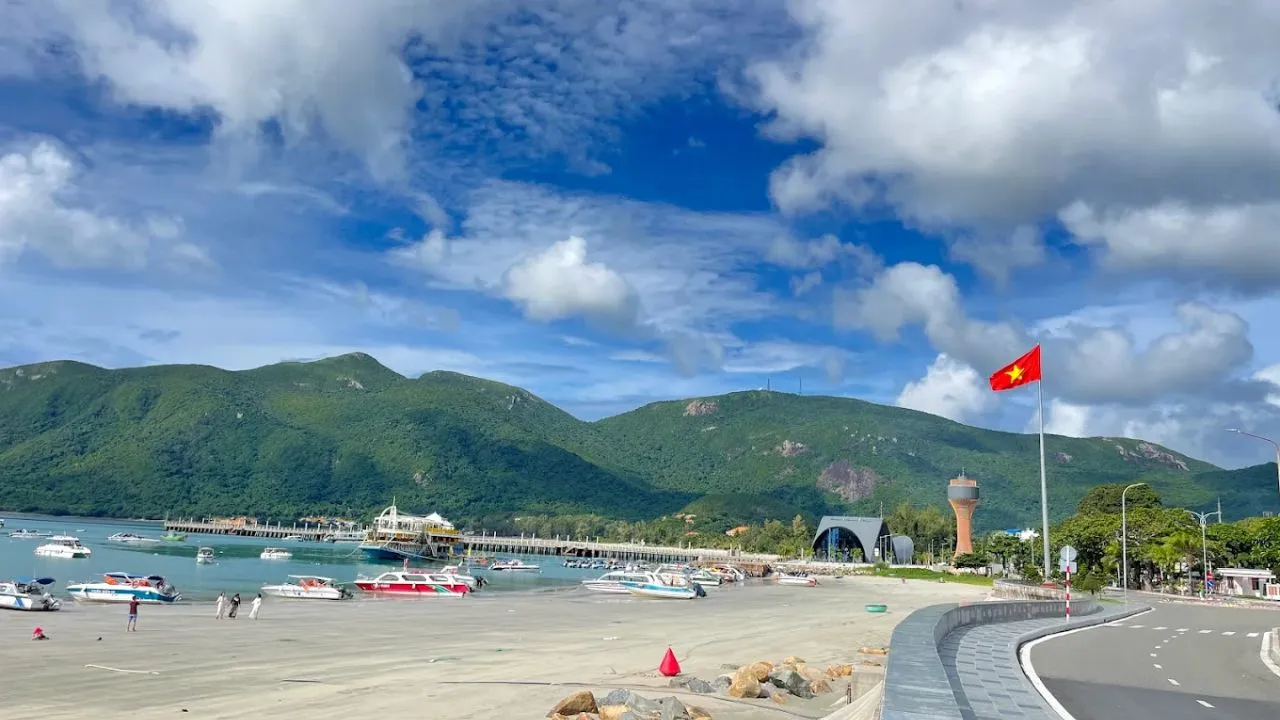
Pier 914 is located on Ton Duc Thang Beach, right in front of the entrance to Con Son Island, stretching out into Con Son Bay. This is the center of the Côn Đảo Special Economic Zone, so from most of the hotels in the residential area you can get there in just a few minutes by car or on foot.
The pier is an open-air monument. You can visit it at any time of the day and do not need to buy a ticket. The pier is not included in the ticket package for the monuments with control gates such as Dong Chua Island or Trai Phu Hai.
2. History and Significance of Pier 914
2.1. The construction was built with the hard work of the laborers from 1873 onwards
The French colonists began construction of the pier in 1873 to serve the purpose of transporting prisoners, food, and materials to the island. According to the People's Armed Forces Newspaper, the original draft was 107 meters long, from the edge of the road in front of the Governor's Palace to Côn Sơn Bay. The construction was repaired and extended over the decades, and it was only completed partially around 1930. Today, the pier is over 300 meters long, nearly 5 meters wide, and the end section is nearly 8 meters wide.
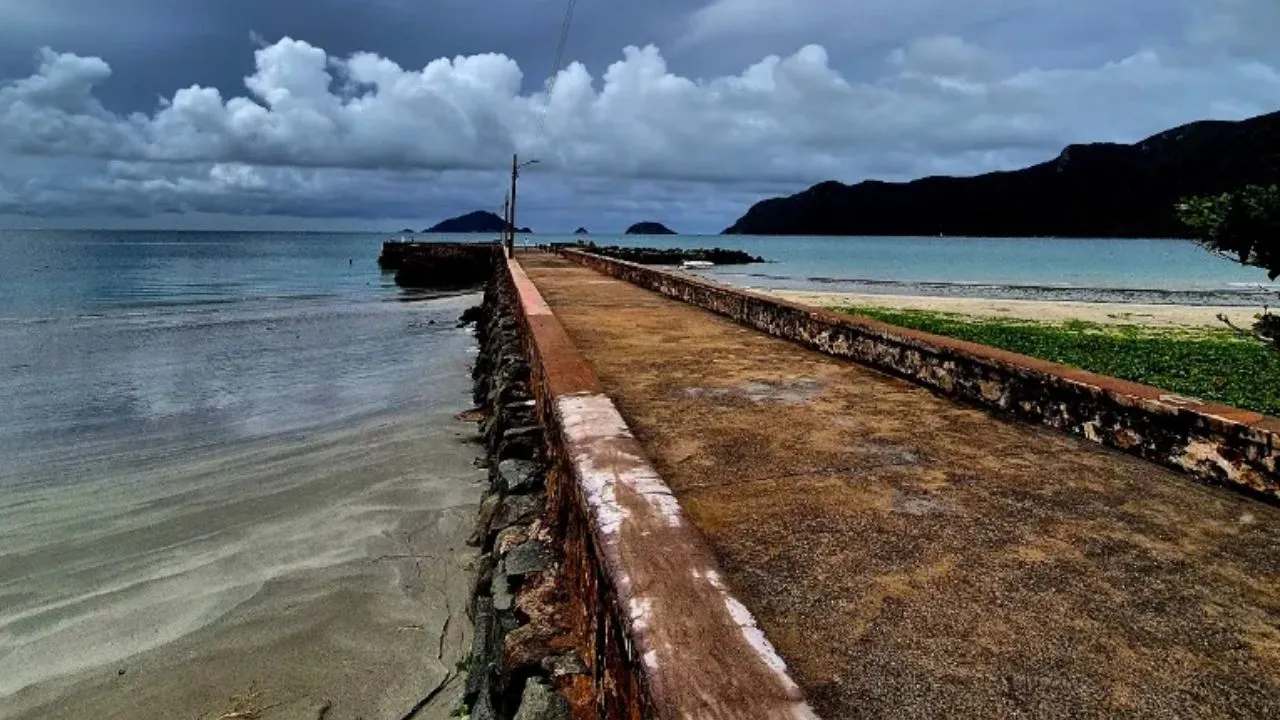
All the stone for the bridge and the seawall along the coast was mined by prisoners at the foot of Mount Chùa and then carried by hand with rudimentary equipment. Many former prisoners recounted that some of the stones were so large that four or five people couldn't carry them, but if they asked for more help, they were beaten and even had some of their people taken away, until the stones pressed against their bodies.
2.2. Meaning of the number 914
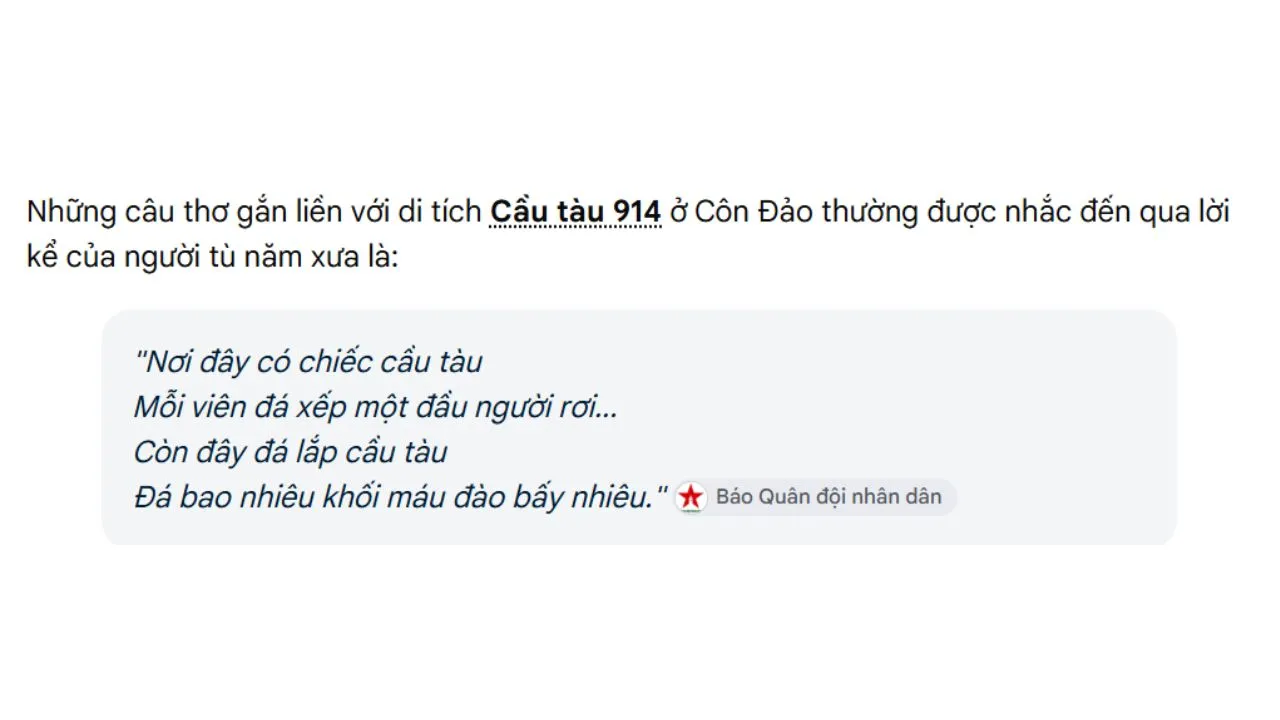
The number 914 was memorized and passed down by the prisoners themselves. It is the symbolic number of the number of people who fell to exhaustion, rock falls, landslides, and beatings during the construction of the pier and the coastal rock dam. Some documents also mention other names such as 871 or 915. In fact, the number of casualties is believed to be much higher. In the 113 years of the existence of Côn Đảo Prison (1862–1975), more than 20,000 revolutionary fighters and patriotic compatriots have been buried here.
2.3. Historical milestones at the pier
- The period of imprisonment: Any prisoner sent to the island would first set foot on this pier, which was also the starting point for the warden's preliminary beatings. The pier was also a secret channel for political prisoners to receive documents, books, and instructions from the mainland.
- September 1945: After the victory of the August Revolution, the pier received ships carrying more than 2,000 political prisoners to the mainland.
- May 1975: After Côn Đảo was liberated on May 1, 1975, more than 4,000 political prisoners were successively taken on board the ship to return to their families, ending more than a century of “hell on earth.”.
- Ranking of monuments: On April 29, 1979, the Ministry of Culture and Information issued Decision No. 54-VHQĐ recognizing the special monument of national importance. On May 10, 2012, the Prime Minister signed Decision No. 548/QĐ-TTg classifying the special national monument.
2.4. The 914th Pier Today
The pier currently does not accommodate passenger vessels. It is a place for the mooring and shelter of small fishing boats owned by local fishermen, as well as a memorial and sightseeing spot for visitors.
3. How to get to Pier 914
3.1. From the mainland to Côn Đảo
- Plane: There are direct flights from Ho Chi Minh City and Hanoi to Côn Đảo Airport. From the airport, take a taxi or shuttle bus to the city center.
- High speed train: Popular routes depart from Vũng Tàu (Cầu Đá Port), Trần Đề and Can Cần Thơ (now part of Cần Thơ City), as well as from the center of Ho Chi Minh City. Schedules change seasonally; you should check the schedule and book your tickets in advance.
Note: The high-speed train did not dock at Pier 914. The train docked Ben Dam Port (about 12–15km from the center) or Côn Đảo Passenger Port It is located right in Con Son Bay in the center. If the ship docks at the central pier, you can visit the 914 Pier after just a few minutes of travel.

3.2. Transportation on the island
- Walking: It is suitable if you are near Ton Duc Thang Street, Nguyen Hue Street, and Vo Thi Sau Street.
- Motorcycle rental: Refer to about 100,000–200,000 VND per day.
- Taxi and electric car: Convenient for families or large groups; the electric car driver often tells stories about the sights along the way.
The car rental prices are for reference only and are subject to change depending on the season.
4. Experience when visiting Pier 914
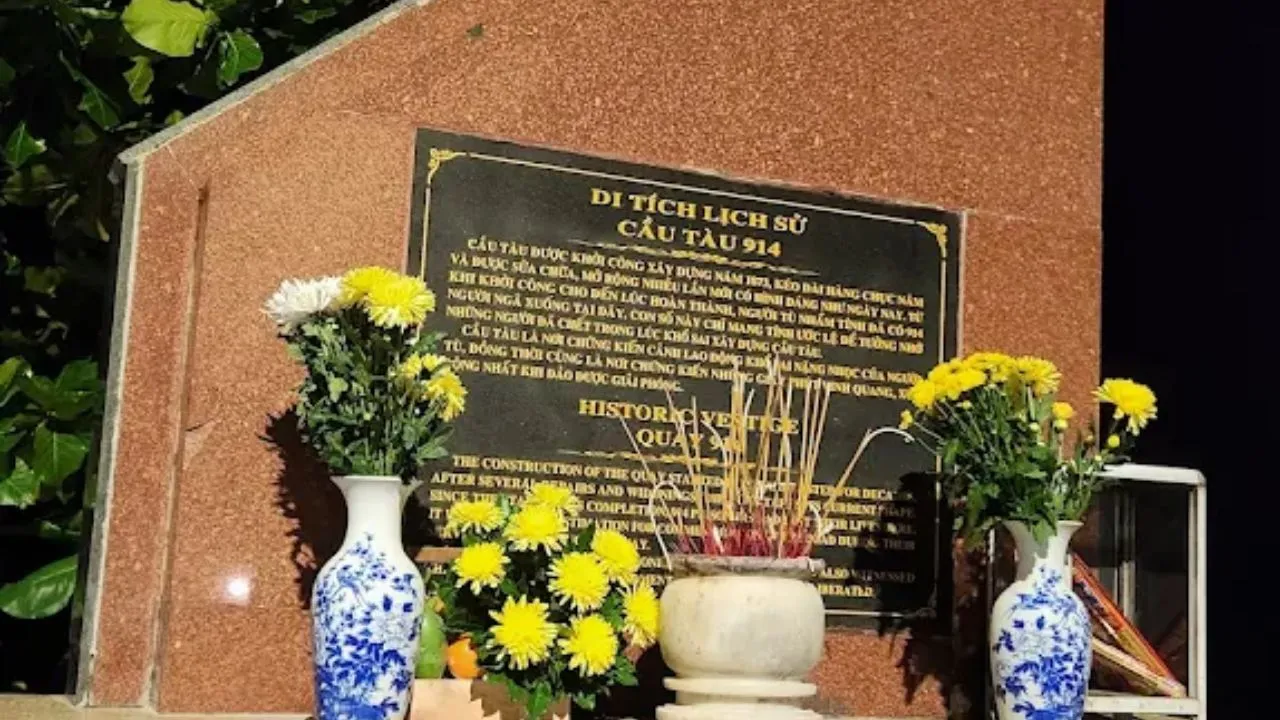
4.1. Offering incense at the monument to the first bridge
At the end of Ton Duc Thang Street there is a memorial monument. Locals and visitors often stop here to light incense and offer flowers in memory of the prisoners who fell. Please prepare the ceremony according to the Green Ceremony Guideline (see section 5).
4.2. Walking along the bridge, looking at the ancient stone blocks
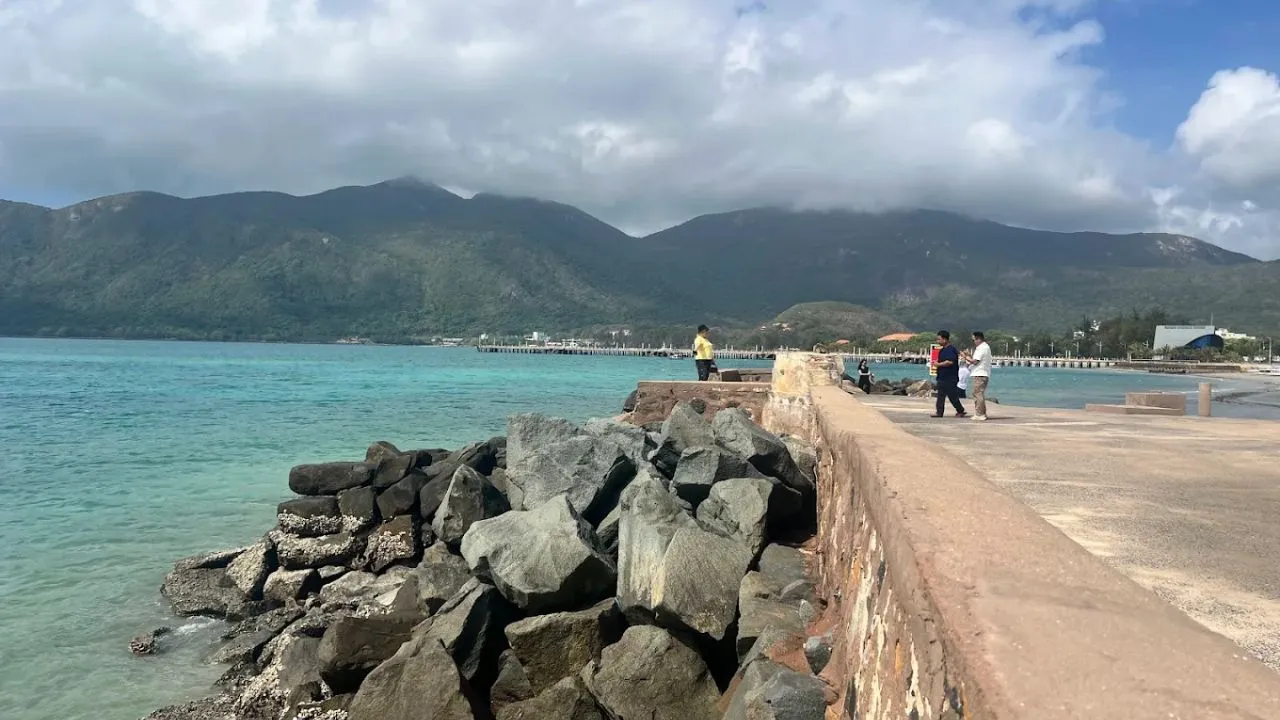
The sides of the bridge and the embankment still have large, heavy stone blocks stacked one on top of another; these are the stone blocks of the prisoners who were brought from Mount Huệ. The bridge has been reinforced to ensure safe travel, but the stone below still retains the appearance of it being over 150 years old.
4.3. Watch the sunrise and see the fishing boats return to the harbor
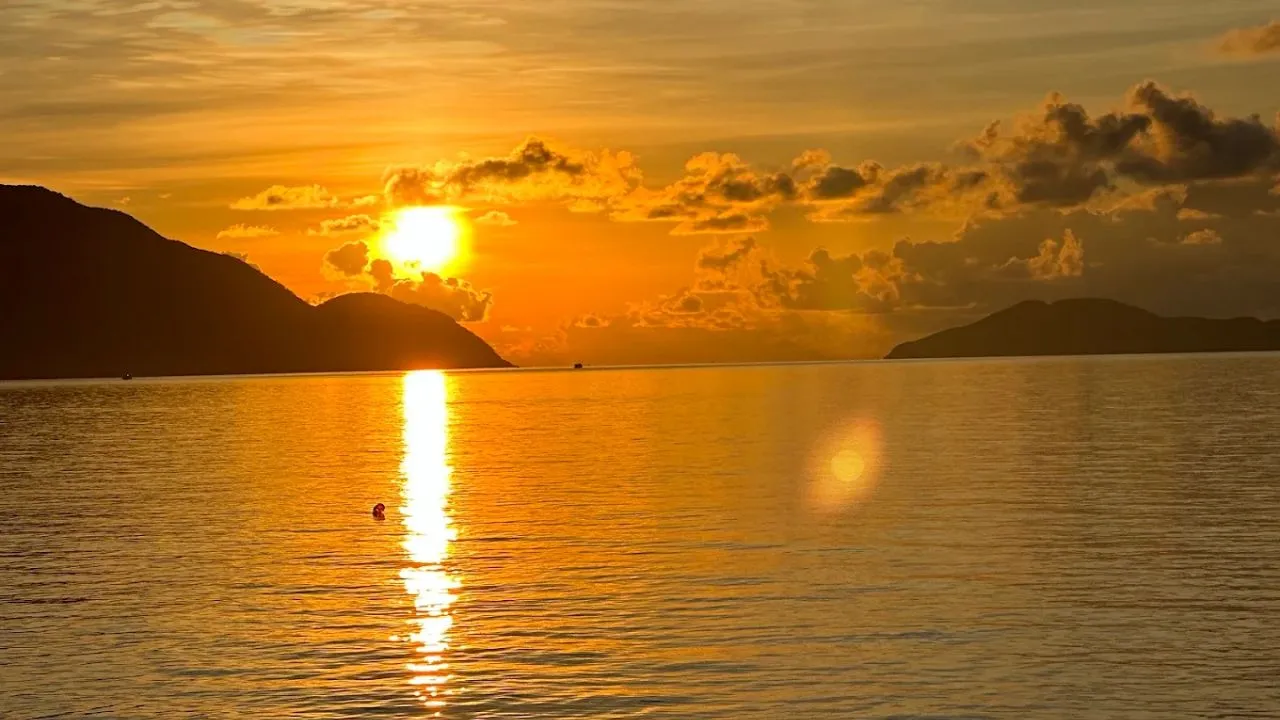
Around 5:30–6:30 AM, standing at the end of the bridge you can watch the sun rise over Con Son Bay. This is also when fishermen’s fishing boats dock near the foot of the bridge, a characteristic scene of early morning seafood trading.
4.4. Walking along Ton Duc Thang Street and taking photos
The coastal path lined with ancient trees is a familiar photo spot. You can take photos along the length of the bridge overlooking the sea, take photos with backlight at dawn, or stroll along the rocky embankment in the afternoon.
5. Beautiful times and important notes
5.1. Beautiful season of the year
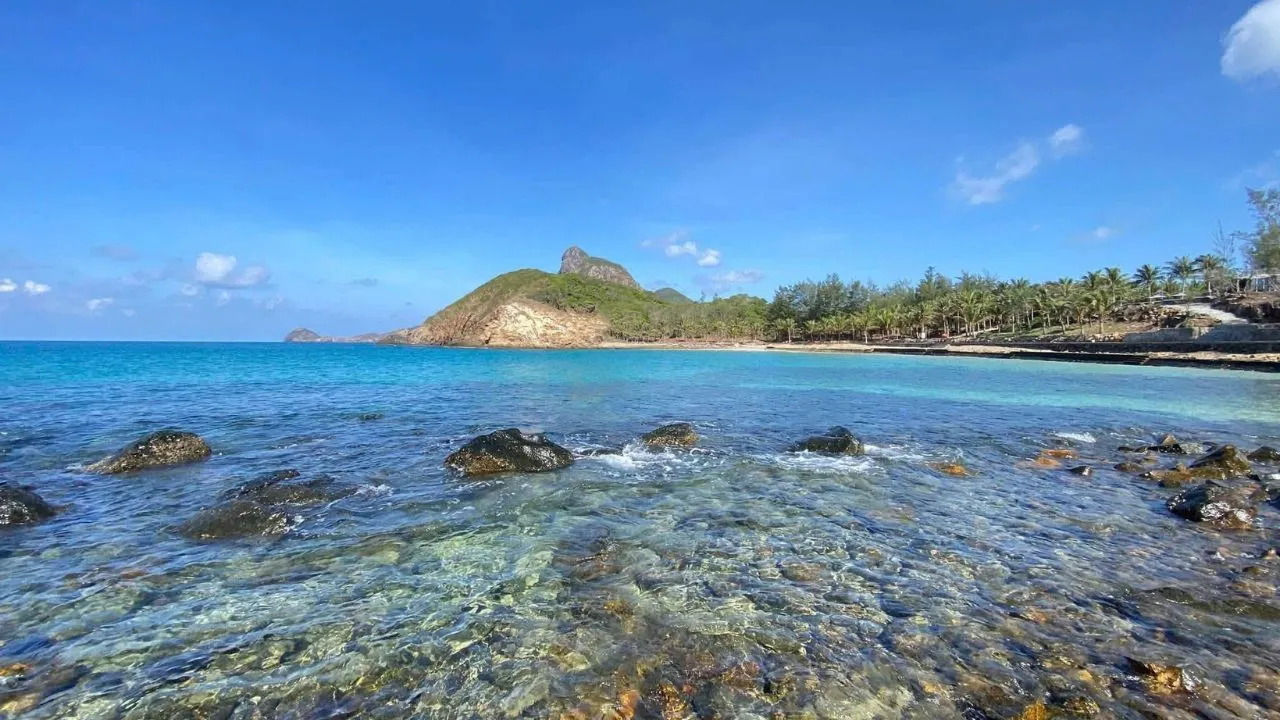
- December – April: Dry season, sunny weather, favorable for outdoor activities.
- May – November: The rainy season is usually short with occasional showers. The summer months are quite calm at the sea.
- Cold season (late year to early next year): The sea can be rough, and high-speed boats may reduce their trips or suspend them. If traveling by train, check the schedule before booking a hotel.
5.2. Beautiful time of day
In the morning (5:30–8:00) and late afternoon (16:30–18:00), the sun is mild and the light is beautiful. In the afternoon, the square has no shade and is very sunny.
5.3. Clothing and behavior
This is a memorial site, so please wear appropriate attire and maintain a dignified demeanor. Do not sit, stand, or pose in an offensive manner on the monument or the stone blocks.
5.4. Regulations for the Green Gift Basket
From January 1, 2025, Côn Đảo will implement the Green Bag policy for all days at the heritage sites. The bag must not contain any bar codes, foam pads, plastic straws, or disposable plastic items. The offerings should be neat: incense, fresh flowers, and fruit cakes.

5.5. Safety when walking along the bridge
Do not climb down the retaining blocks, especially when there are strong waves or wet rocks. Children need to have an adult accompany them when they reach the end of the bridge.
5.6. Buy seafood early in the morning
If you buy seafood from fishermen to bring it back to the mainland, ask the seller to pack it in a frozen foam box and check the airline or shipping company's baggage regulations.
6. Half-day walking tour around Pier 914
| Now | Destination | Note |
|---|---|---|
| 5:30 | Pier 914 | Watching the sunrise, offering incense |
| 6:30 | Dong Ton Duc Thang Street | Breakfast, watching the fish market |
| 7:30 AM | Island Lord's Palace | Facing the front of the counter (if it is open) |
| 8:30 | Phu Hai Camp | It takes about 2 minutes to get there by car. |
| 9:30 | French Tiger Cage | Near the center of town |
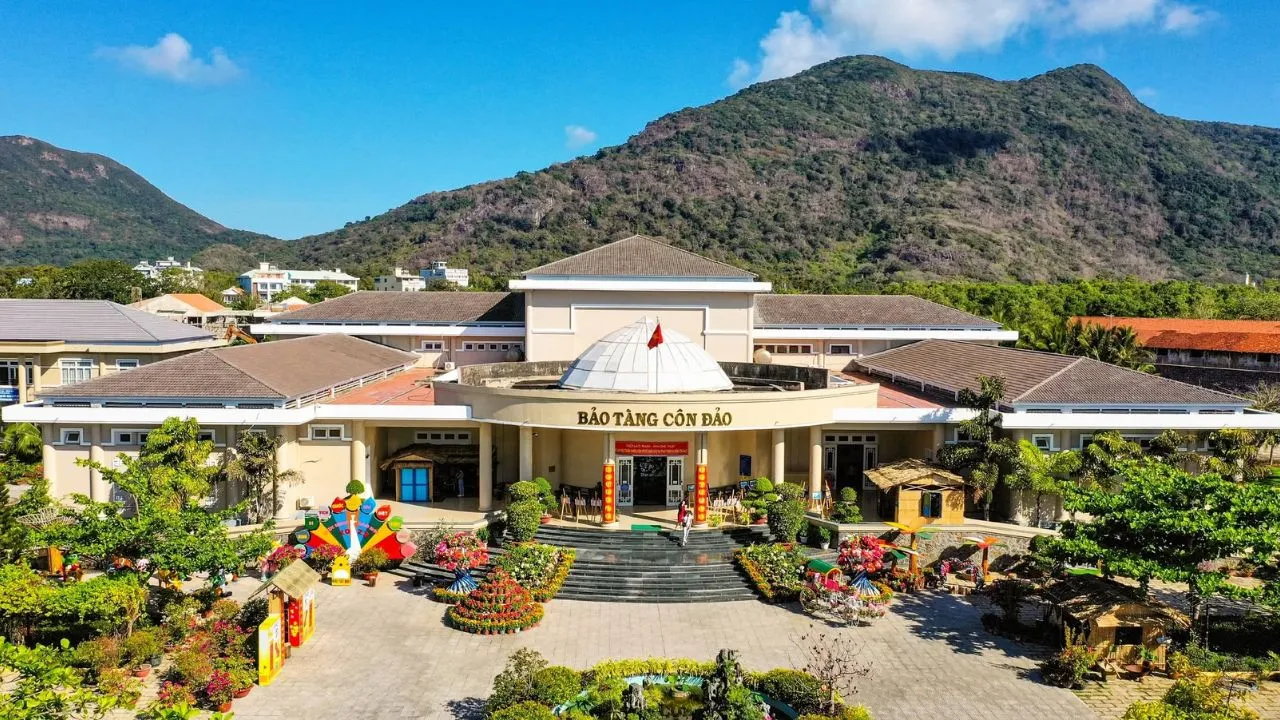
| 10:30 | Con Dao Museum | Finish before noon |
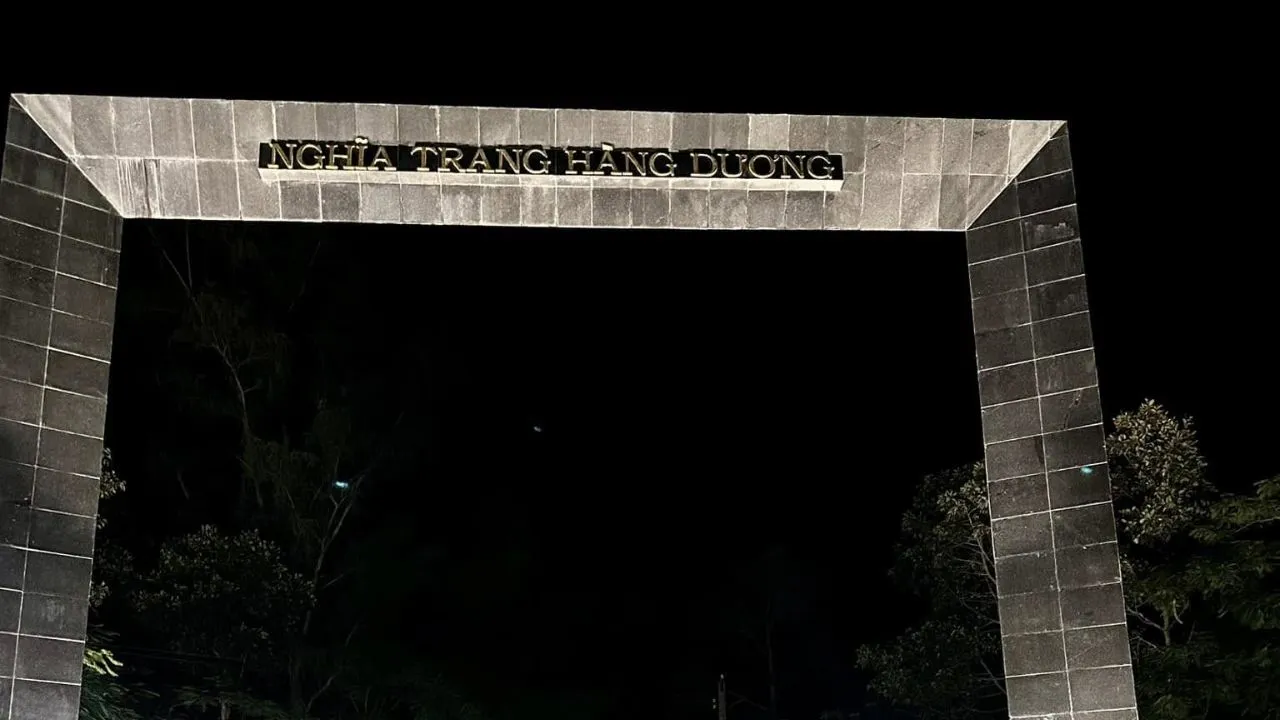
In the afternoon, you can visit Hang Dương Cemetery; many people choose to visit in the evening.
7. Điểm tham quan gần Cầu tàu 914
| Location | Distance | Vé tham khảo |
|---|---|---|
| Island Lord's Palace | Đối diện đầu cầu | Cụm vé 4 điểm 40.000đ / 5 điểm 50.000đ |
| Phu Hai Camp | ~500m | Cụm vé |
| French Tiger Cage | ~1.2 km | Cụm vé |
| Con Dao Museum | ~1km | Thuộc cụm vé 5 điểm |
| Hang Duong Cemetery | ~1,8km | Free of charge |
| Hon Bay Canh | Đi cano | Theo tour/vé Vườn quốc gia |
Cụm vé 4 điểm gồm Dinh Chúa Đảo, Trại Phú Hải, Chuồng Cọp Pháp, Chuồng Cọp Mỹ; cụm 5 điểm có thêm Bảo tàng Côn Đảo. Một số di tích có thể tạm đóng để trùng tu; hãy hỏi trước tại quầy vé Trung tâm Bảo tồn Di tích Quốc gia Côn Đảo.
7.1. Dinh Chúa Đảo
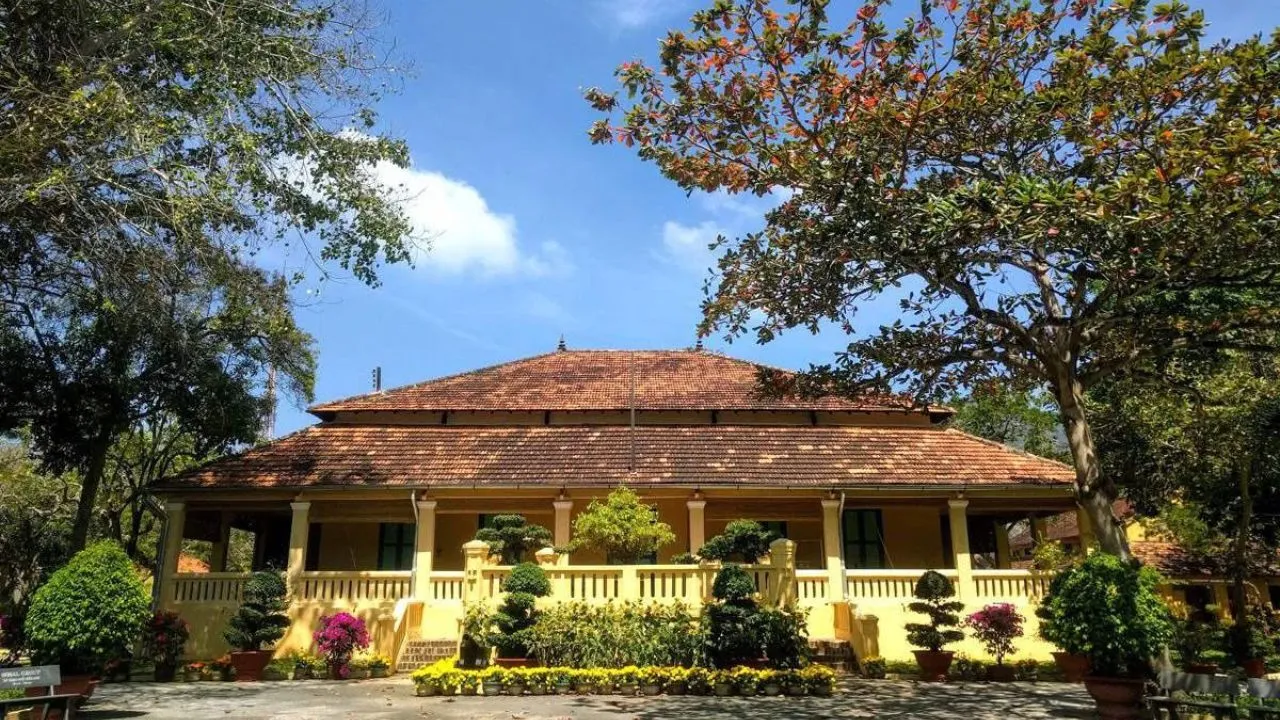
Nơi ở và làm việc của 53 đời chúa đảo, ngay đối diện đầu cầu tàu. Không gian dinh thự đối lập rõ với cảnh lao tù chỉ cách vài trăm mét.
7.2. Trại Phú Hải
Trại giam lớn và cổ nhất Côn Đảo, với khu Hầm Xay Lúa, phòng tối và khu đập đá.
7.3. Chuồng Cọp Pháp
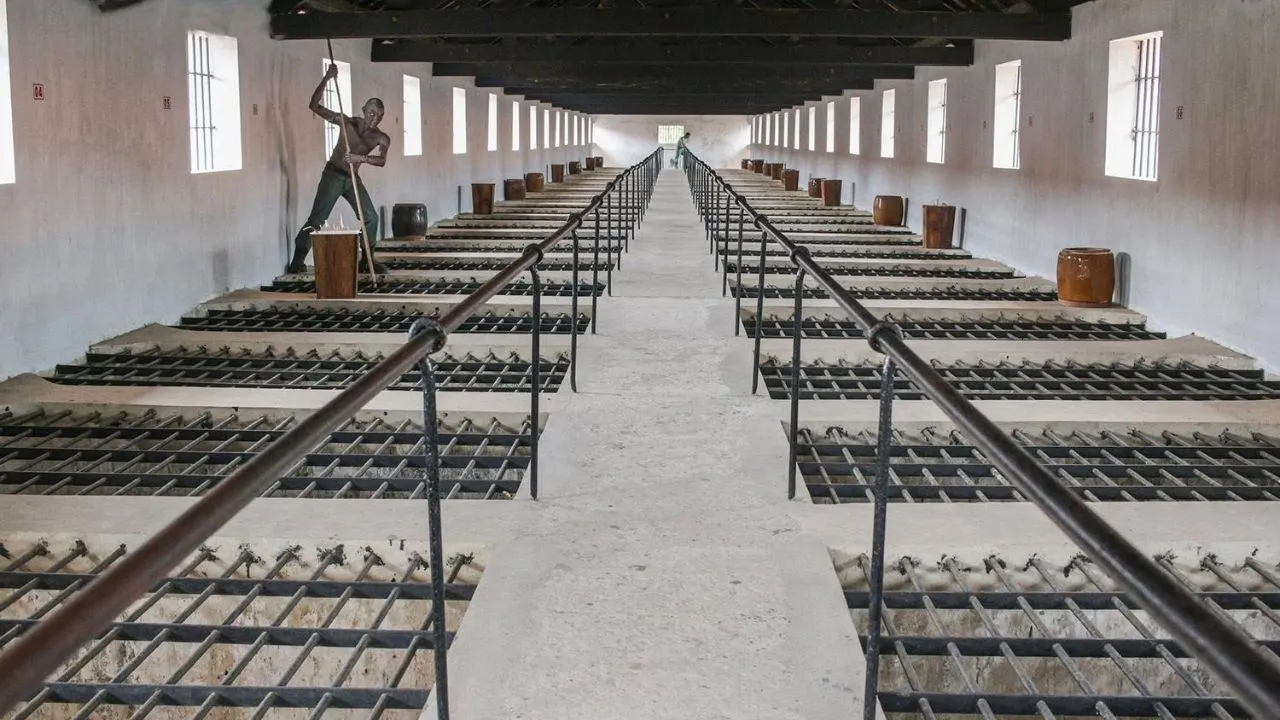
Khu biệt giam do Pháp xây năm 1940, nổi tiếng với hệ thống xà lim có lối đi trên mái để cai ngục tra tấn tù nhân.
7.4. Bảo tàng Côn Đảo
Trưng bày khoảng 2.000 tư liệu, hiện vật về thiên nhiên, con người và lịch sử 113 năm nhà tù Côn Đảo. Nên đi trước khi tham quan các trại giam để nắm bối cảnh.
7.5. Nghĩa trang Hàng Dương
Nơi yên nghỉ của nhiều chiến sĩ cách mạng, trong đó có cố Tổng Bí thư Lê Hồng Phong và Anh hùng Võ Thị Sáu. Áp dụng Giỏ lễ xanh như tại cầu tàu.
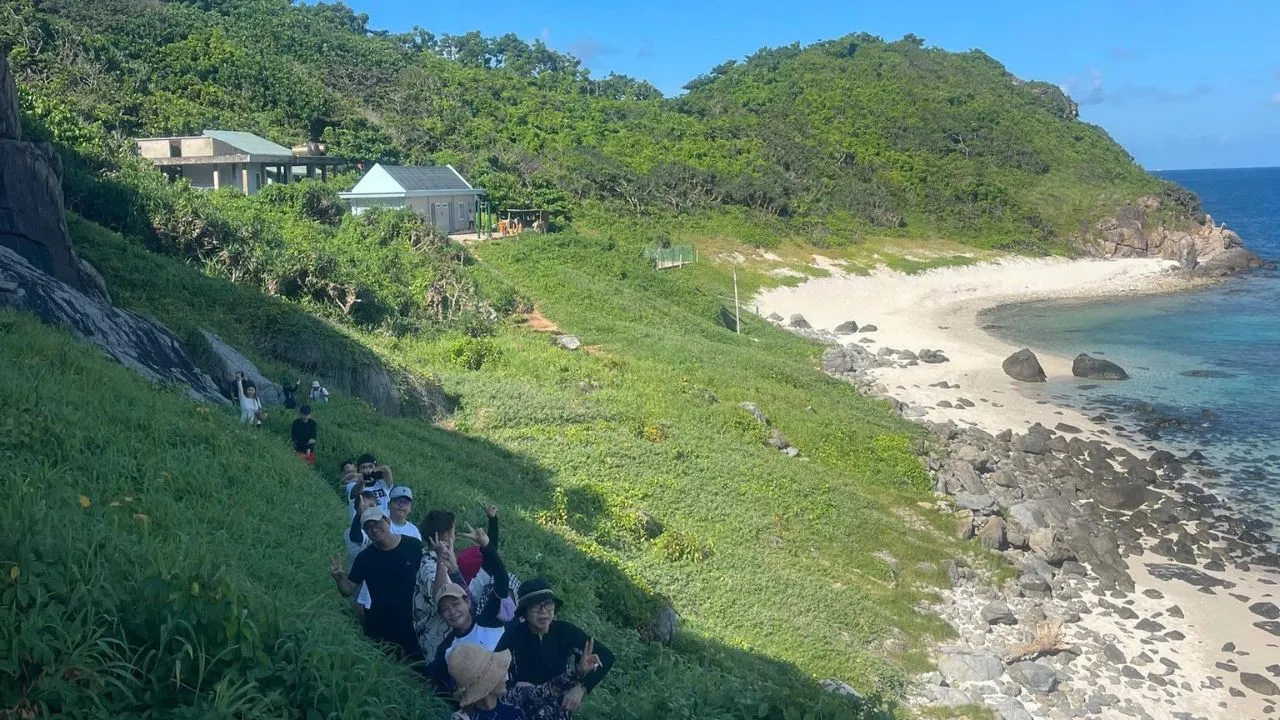
7.6. Hòn Bảy Cạnh
Đảo thuộc Vườn quốc gia Côn Đảo, có ngọn hải đăng cổ và bãi rùa biển lên đẻ trứng theo mùa. Cano tham quan đảo nhỏ đón trả khách tại Cảng tàu khách Côn Đảo; nên đăng ký qua Vườn quốc gia hoặc đơn vị tour được cấp phép.
8. Câu hỏi thường gặp về Cầu tàu 914 Côn Đảo
Vì sao gọi là Cầu tàu 914?
914 là con số ước lệ do người tù ghi nhớ, tưởng niệm những người đã ngã xuống khi khai thác đá ở núi Chúa để xây cầu tàu và kè đá ven biển. Số người hy sinh thực tế được cho là cao hơn nhiều.
Cầu tàu 914 dài bao nhiêu mét?
Bản phác thảo năm 1873 dài 107m. Sau nhiều lần nối dài, cầu tàu hiện dài hơn 300m, rộng gần 5m, đoạn cuối rộng gần 8m.
Tham quan Cầu tàu 914 có mất vé không?
Không. Đây là di tích mở, tham quan tự do cả ngày.
Tàu cao tốc có cập Cầu tàu 914 không?
Không. Tàu khách cập Cảng Bến Đầm hoặc Cảng tàu khách Côn Đảo ở trung tâm. Từ cảng trung tâm đến cầu tàu chỉ vài phút di chuyển.
Tham quan Cầu tàu 914 mất bao lâu?
Khoảng 30–60 phút cho dâng hương, đi dọc cầu và chụp ảnh. Bạn nên ghép với Dinh Chúa Đảo và Trại Phú Hải trong cùng một buổi.
Dâng hương tại Cầu tàu 914 cần chuẩn bị gì?
Hương, hoa tươi và lễ vật gọn gàng theo tiêu chí Giỏ lễ xanh: không hàng mã, không mút xốp, không ni-lông và đồ nhựa dùng một lần.
Cầu tàu 914 không chỉ là nơi ngắm biển giữa lòng phố đảo. Mỗi khối đá dưới chân cầu là một phần ký ức về cái giá của độc lập. Hãy dành cho nơi này một buổi sáng sớm thong thả, để hành trình Côn Đảo bắt đầu đúng với chiều sâu của nó.
Lên kế hoạch chuyến đi Côn Đảo ngay hôm nay
Nguồn tham khảo
- Báo Quân đội Nhân dân: Cầu tàu 914 – chứng tích “địa ngục trần gian”
- Cổng thông tin du lịch Côn Đảo (condao.com.vn): Cầu tàu lịch sử 914
- Báo Đại biểu Nhân dân (5/2025): tưởng niệm anh hùng liệt sĩ tại Côn Đảo
- Báo Văn hóa: Khánh thành Cảng tàu khách Côn Đảo
