

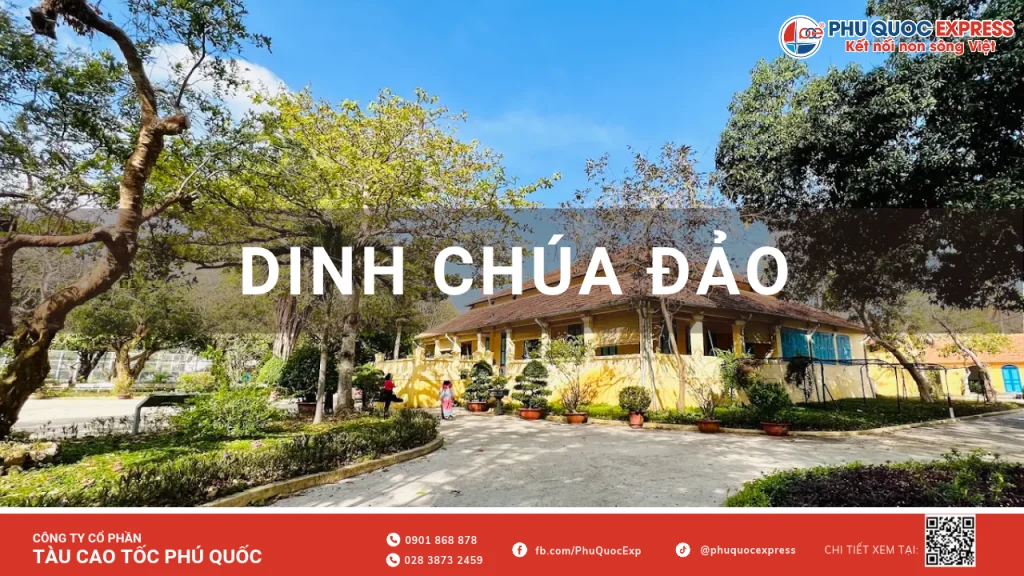
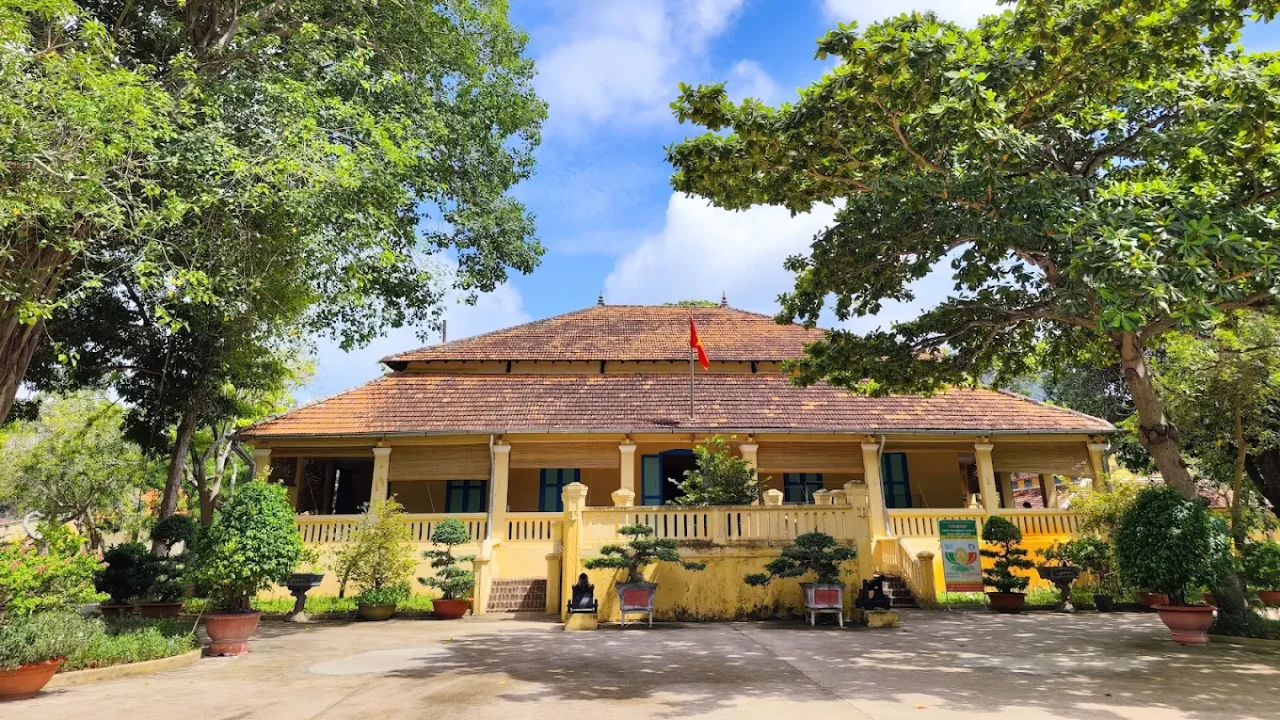
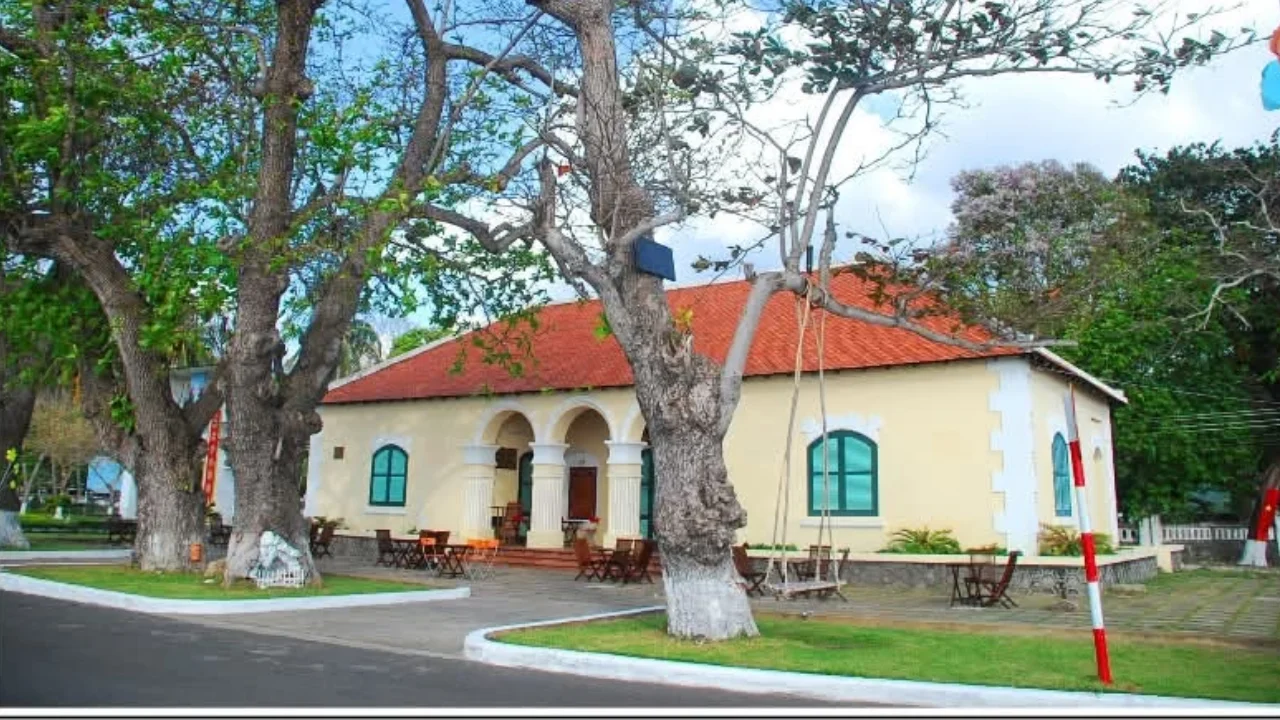
Located quietly under the ancient banyan trees, the facade faces directly towards Pier 914 and Con Son Bay, Island Lord's Palace It is a monument that tells the history of Côn Đảo in a very unique way. Here, there are no iron bars or solitary confinement cells like the Tiger Cage or Phu Hai Camp. Instead, there is a living room with a billiard table, a bathroom with imported porcelain tiles, and a spacious garden maintained by the inmates.
It was precisely this luxury, juxtaposed with the suffering of thousands of revolutionary prisoners just a few hundred meters away, that made the visit a haunting experience.
The article below, Phu Quoc Express A comprehensive history of the 113-year-old mansion, portraits of the notorious Côn Đảo island lords, the interior of the mansion, and updated tour experiences for 2026.
Quick information about Dong Chau Island
| Categories | Information |
|---|---|
| Other names | Great Lord's Palace, Provincial Governor's Palace, Church of the Island |
| Location | Côn Đảo Special Economic Zone Center (HCMC), opposite Pier 914 |
| Construction time | 1862 – 1876 |
| Area of the campus | Approximately 1.86 – 2 ha |
| The number of generations of the island's ruler | 53 generations in 113 years (1862 – 1975) |
| Ranking | Special National Monuments (Decision 548/QĐ-TTg, dated May 10, 2012) |
| Opening hours | Morning 7:00 – 11:30, afternoon 14:00 – 17:00, weekdays |
| Ticket price | Around 40,000 – 50,000 VND per person, combined ticket for 5 sites |
| Duration of tour | 30 – 45 minutes for the private Dinh; about 2 hours for the full 5-point route |
Ticket prices and opening hours may change as per the regulations of the Con Dao Museum Management Board. Please check at the ticket counter of the Côn Đảo Museum before going.
Where is the Temple of the Gods located? What is its other name?
The God Temple Island is located right in the center of Con Côn Đảo Special Economic Zone, on Ton Duc Thang coastal road. Some documents from the management board list the address as Le Duan Street. The main gate of the temple faces directly to the 914 Pier and Con Son Bay. From the hotels in the center, you can walk, cycle, or ride a motorcycle to the temple in just a few minutes.
During the French colonial period, the head of the island and the prison director were called by the prisoners “Mr. Big” or “The Lord of the Island”. Therefore, the mansion is named after them. Great Old Temple, Island Lord's Palace. During the US-VNCH period, the head of the department was titled Provincial Governor, so this place was also known as Provincial Governor's Office.
The history of the Church of God Island through the milestones of time
Construction using the hard labor of prisoners (1862 – 1876)
On February 1, 1862, France officially established Côn Đảo Prison. The Con Dao Prison was started at the same time as the infrastructure on the island and was completed in 1876. The complex includes the main building, auxiliary buildings, gardens, and protective structures.
The main building is built about 1.4 meters above the ground, with thick walls that are as sturdy as a fortress. Inside are offices, a kitchen, and a private staff. All the stone, wood, and brick were mined, transported, and built by the prisoners under the whip of the jailer.
The center of power of “the earthly hell”
For 113 years, this was the center of all power on the island: administrative, judicial, and military. All attempts to rule over the prisoners and large-scale repression throughout the island originated from this residence.
History also has its turning points right here. In 1945, the first revolutionary government was established in Côn Đảo Dao at Dong Chau Temple. Thirty years later, this place witnessed the complete liberation of Côn Đảo on January 1st, 1975.
Timeline table
| Time | Events |
|---|---|
| 1/2/1862 | France established the prison of Côn Đảo; Félix Roussel was the first governor of the island |
| 28/6/1862 | Prisoners along with officials of the Nguyen Dynasty rebelled, forcing Roussel to abandon the island. |
| 1876 | The Church of God Island is completed |
| 14/2/1918 | God on Andouard Island opens fire with machine guns, killing 83 life convicts |
| 1919 | Andouard was killed by a prisoner |
| 1930 – 1934 | Under Bouvier, 802 prisoners were killed |
| 1945 | The first revolutionary government in Côn Đảo was established in Dinh |
| 7/1970 | “The ”Tiger Cage” was exposed during the reign of King Nguyen Van Ve |
| 29/4/1975 | The last island Lord and his family secretly fled |
| 1/5/1975 | Côn Đảo is completely liberated |
| 29/4/1979 | Special recognition granted to the National Important National Relic Site |
| 10/5/2012 | Special National Monument ranking (QĐ 548/QĐ-TTg) |
| 2019 | Restoring, restoring and reconstructing the living interiors of the island's rulers |
| 2022 – 2025 | There are periods of temporary closure for renovation and repairs; currently, the complex is open within the general opening hours of the tourist complex. |
Who is Lord Côn Đảo Island? The most notorious faces
The Lord of Côn Đảo Dao Island holds supreme authority over the entire archipelago in matters of execution. They are both the head of the administrative machinery and the direct commander of the prison system. According to French colonial regulations, the Lord of the Island has full authority over all the agencies and prisoners on the island, directly supervises the work and is responsible for “maintaining security and discipline” in the prison.
| Stage | Time | The number of island lords |
|---|---|---|
| French colonists | 92 years (1862 – 1954) | 39 |
| US – VNCH | 21 years (1954 – 1975) | 14 |
| Total | 113 years | 53 |
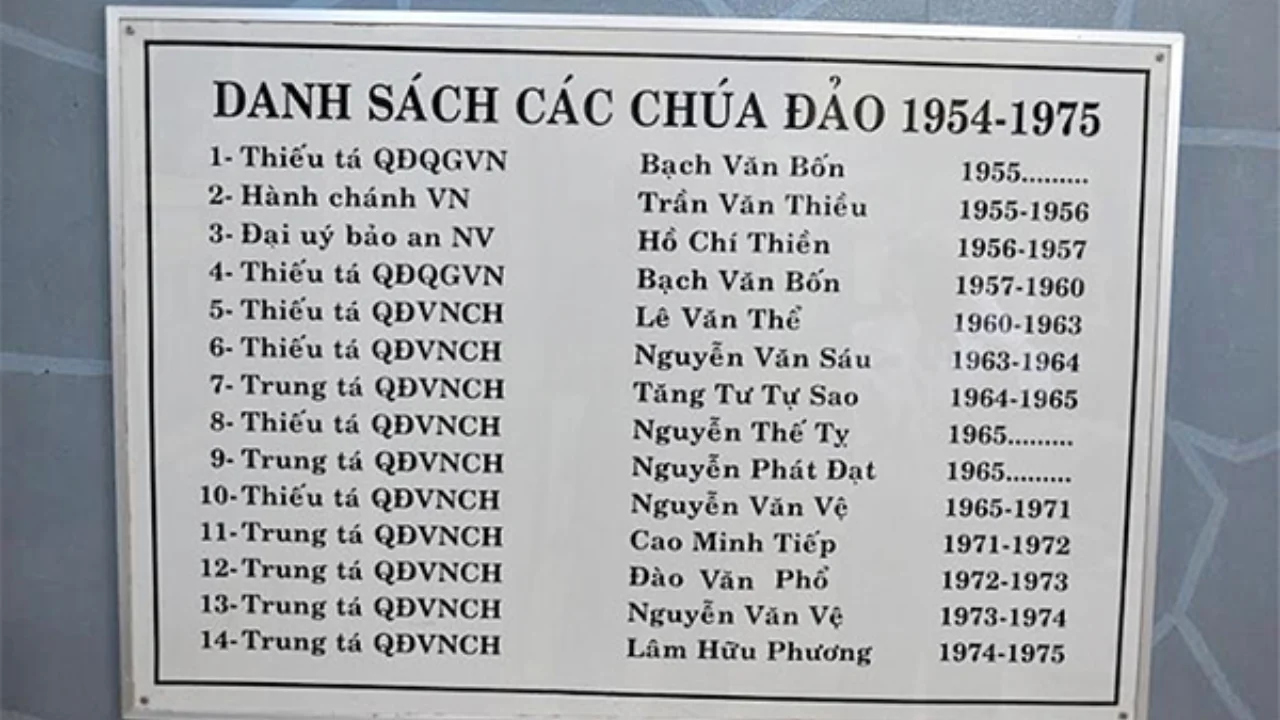
Félix Roussel – the first island lord (1862)
Félix Roussel was a lieutenant, deputy commander of the French Navy. He was appointed as the first island commander and director of Con Côn Đảo prison. Just a few months later, on June 28, 1862, 50 first prisoners along with more than 100 officers from the Nguyen Dynasty rebelled and set fire to the prison. Roussel had to leave the island in a small boat. This was the first uprising in the history of Côn Đảo prison.
Andouard – “the governor of Con Lon”
Andouard was one of the most brutal island lords of French colonial times, and was once condemned by the South Vietnamese press at the time. On February 14, 1918, he used machine guns to shoot 83 life-imprisoned convicts, including those who had not participated in the rebellion or had no weapons. In 1919, Andouard was murdered by the inmates himself.
Bouvier – “the regime of killing”
Bouvier is considered the successor to Andouard’s brutality. He served as governor of the island for two terms, 1927–1934 and 1935–1942. In just five years (1930–1934), Bouvier’s terror policy caused the deaths of 802 prisoners. The Saigon press at the time called Con Lon “the earthly hell” under “Bouvier’s killing regime.”.
Nguyen Van Ve – the “gray wolf” of the US-VNCH era
Nguyen Van Ve governed Côn Đảo for two terms, approximately nine years from 1965 to 1974. In the memories of thousands of prisoners, he was the “black bear,” the leader of the prison hierarchy. Vệ established the most rigorous regime of detention in the Tiger Cage system.
In July 1970, a group of American congressmen, including Tom Harkin, requested that Vệ lead them to visit Phu Tuong Camp. Thanks to a map drawn by Cao Nguyen Loi from memory, the group found the entrance to Tiger Camp. Harkin’s photo, published in the Life magazine on July 17, 1970, caused a shock to the international public opinion.
The Lord of the Final Isle fled (April 29, 1975)
According to General Chu Van Man’s memoir “The Immortal Spring in Côn Đảo Dao Prison”, on the evening of April 29, 1975, when news of Saigon’s imminent fall reached the island, a chaotic exodus took place on Côn Đảo Dao. Lord Lian Hu Phuong drove his car at night, taking his wife and children to the secret Binh Dam area to board the evacuation boat. That departure marked the end of 113 years of rule by 53 generations of island lords.
What is inside the Temple of God Island?
After the renovation and restoration of the interior in 2019, Dong Kinh Temple vividly recreates the daily life of the ruling class.
The main gate and two cannons
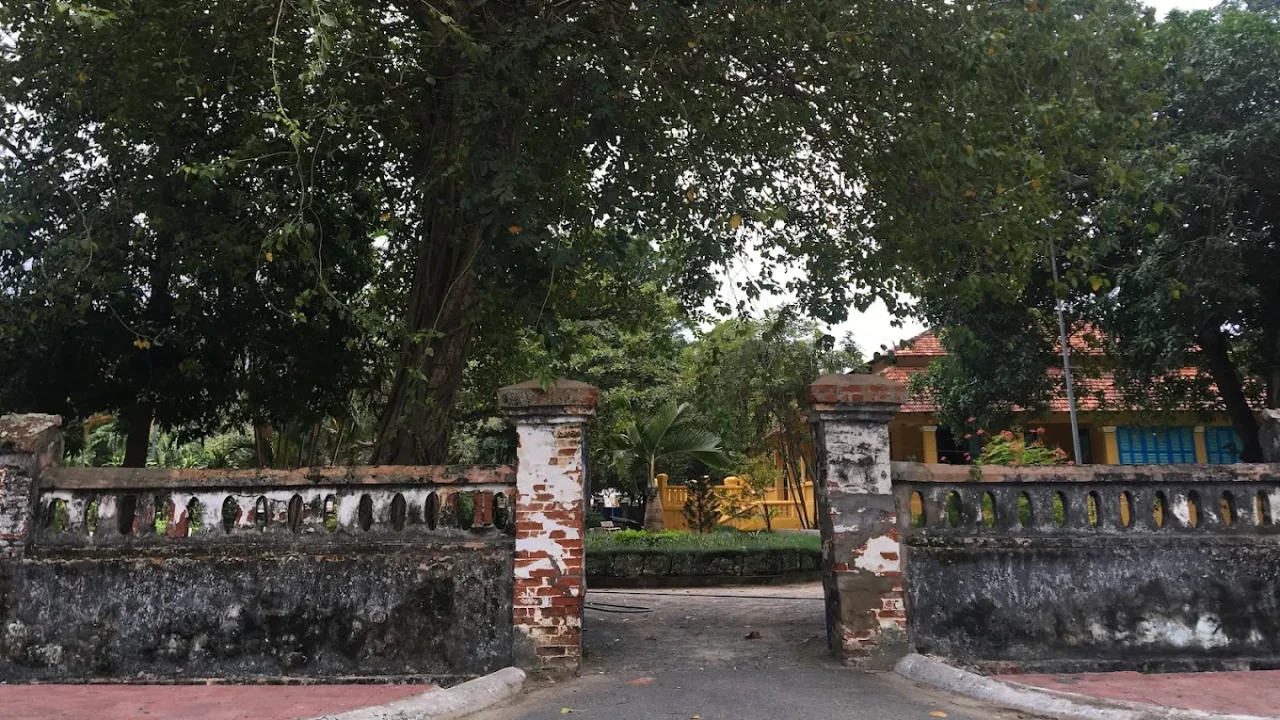
In front of the palace is two ancient cannons that were once carefully guarded day and night. From the gate, you can see straight ahead to Pier 914. This is also the most beautiful photo spot of the monument.
“Sở Rẫy Ông Lớn” – the garden of the convicts
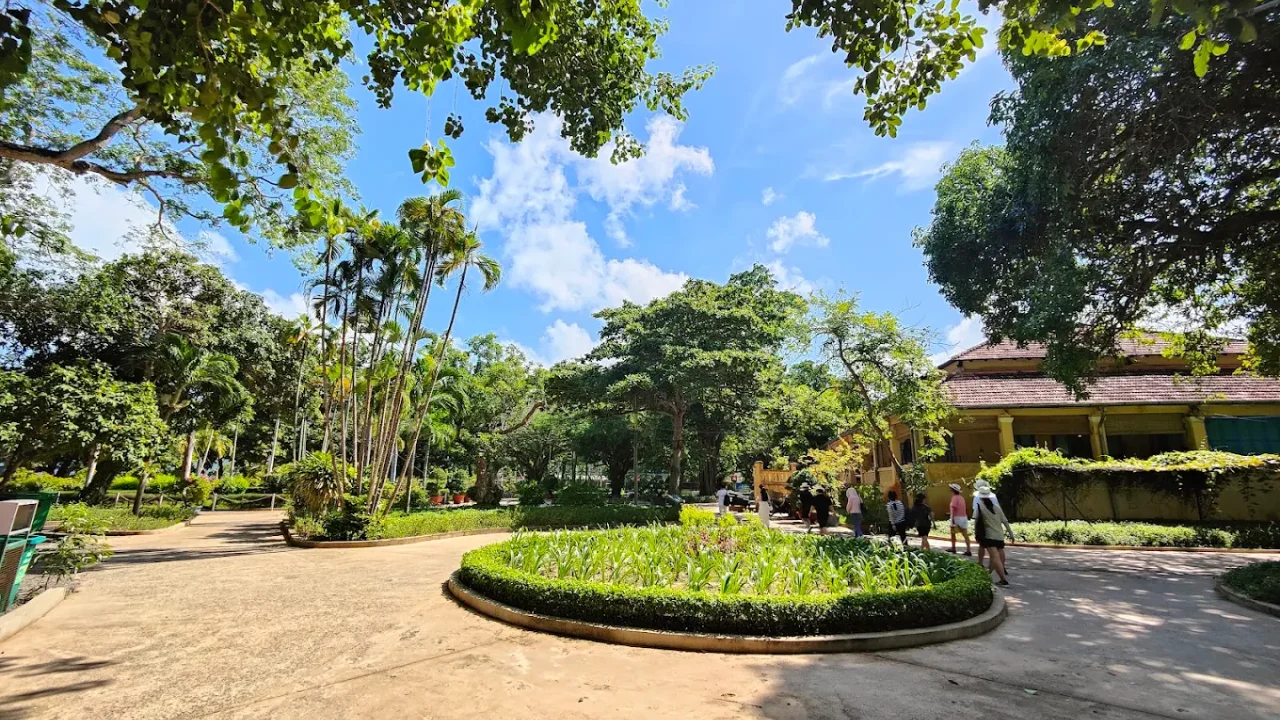
Surrounding the main house is a large garden covered with trees, formerly known as “Sở Rẫy Ông Lớn”. Often, dozens of prisoners are forced to work here. They grow vegetables, raise livestock, care for ornamental plants, and provide all the food, clothing, and shelter needs of the island’s royal family.
Classical French colonial architecture
The main building bears the hallmarks of French colonial style: yellow walls, red tile roofs, wooden shutters, and wide corridors running along the rooms. The living space is arranged separately from the detention area, clearly reflecting the boundary between the ruler and the ruled.
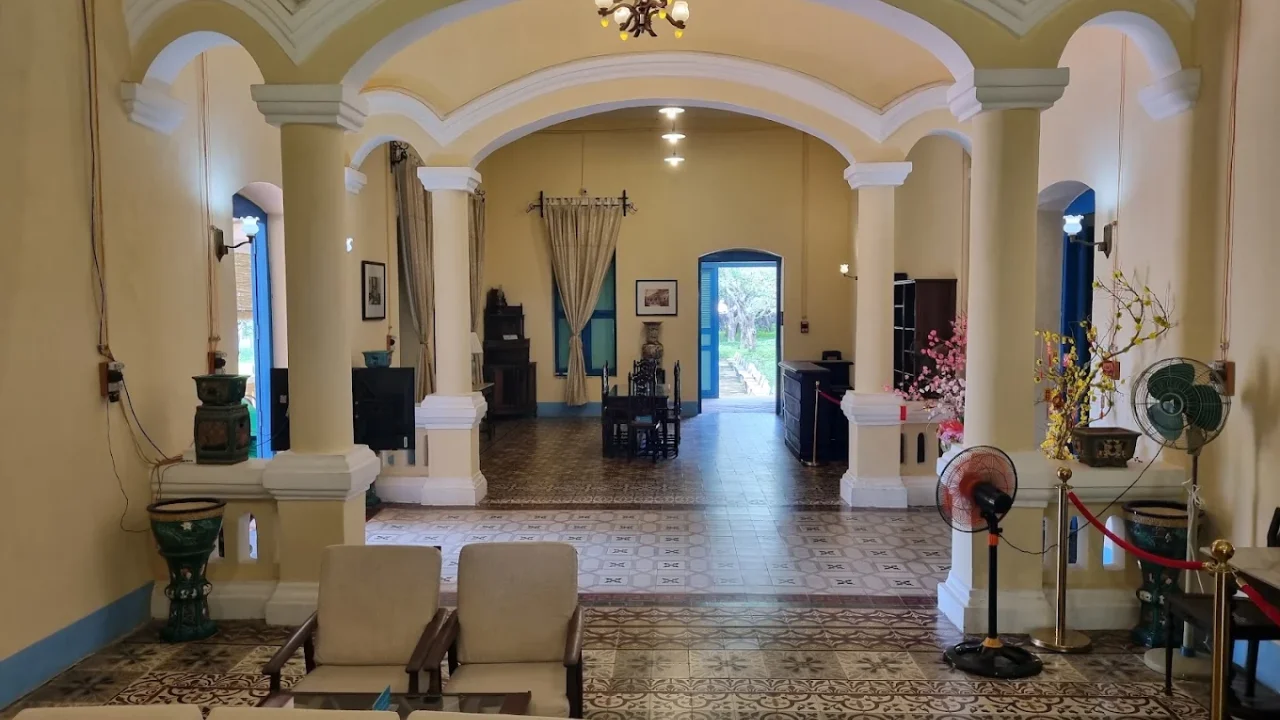
Living room and entertainment area with a billiard table
The living room features carved wooden furniture. The highlight is a billiard table that serves the entertainment needs of the officials, an incredible sight amidst the island that is dubbed “the hell of the world.”.
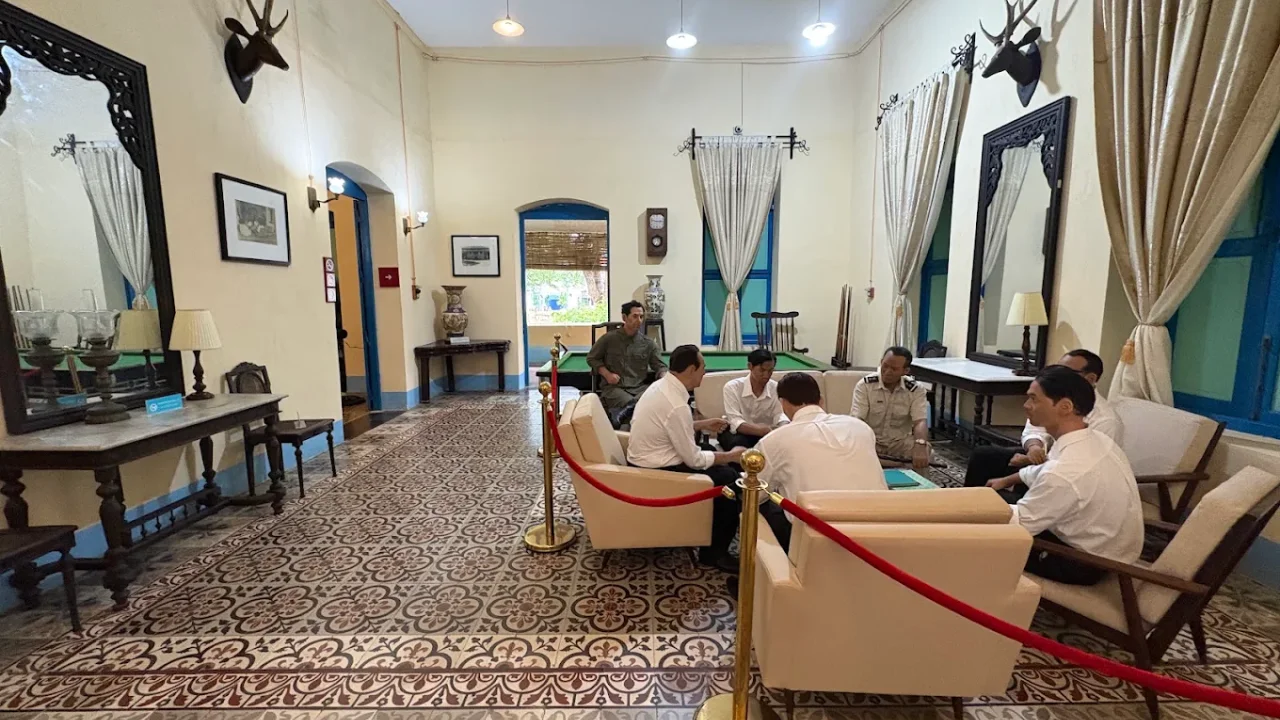
The workroom of the island lord
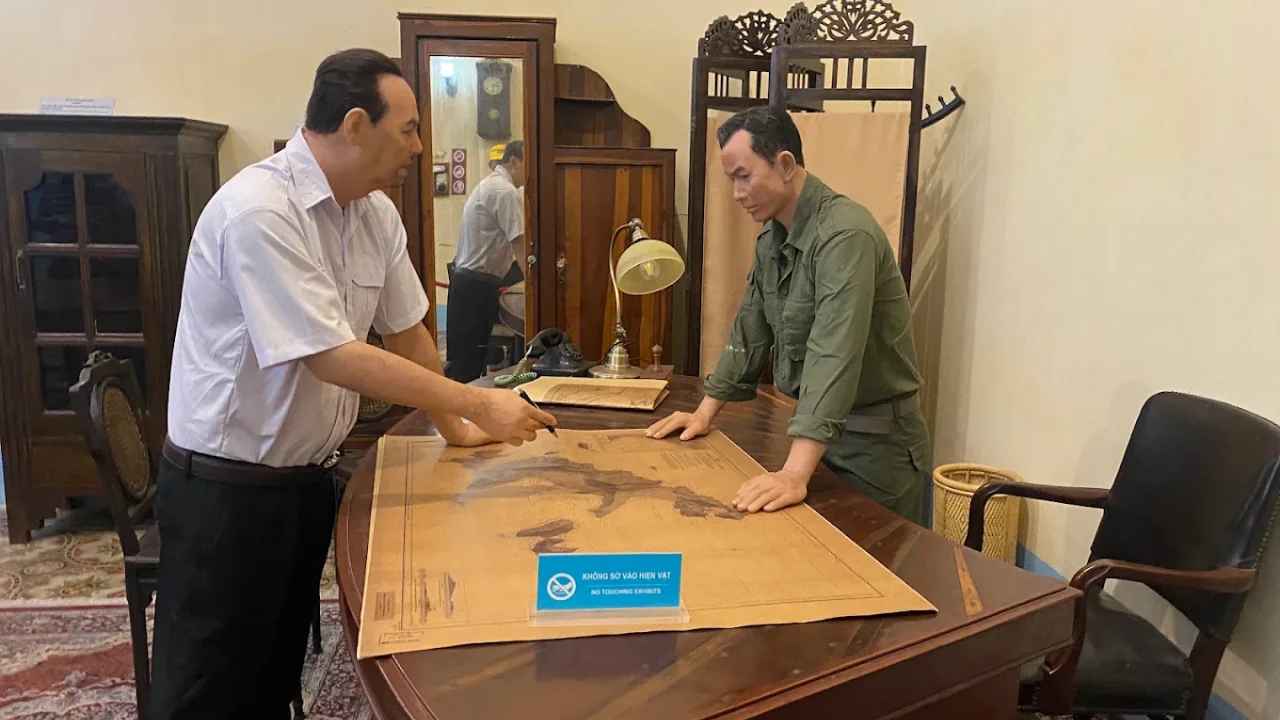
This is the “central brain center” with a large wooden table. From this room, orders to oppress and torture prisoners across the island were issued.
Comfortable bedroom and bathroom
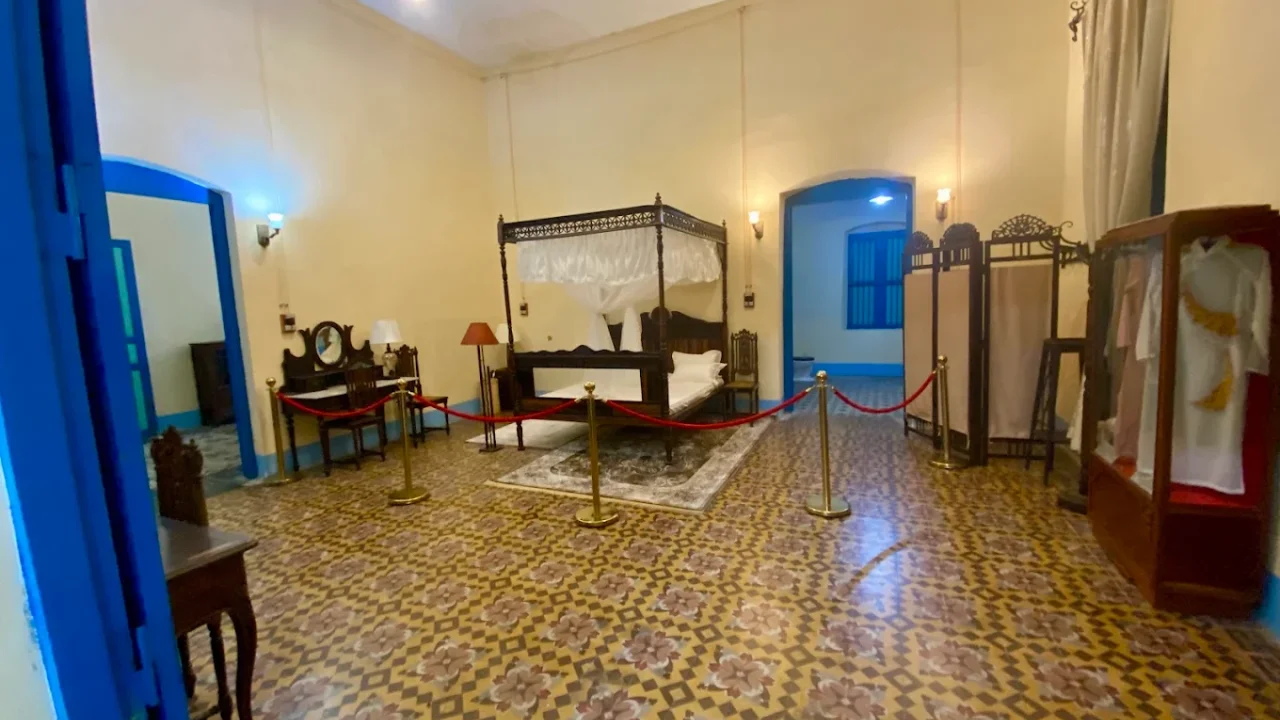
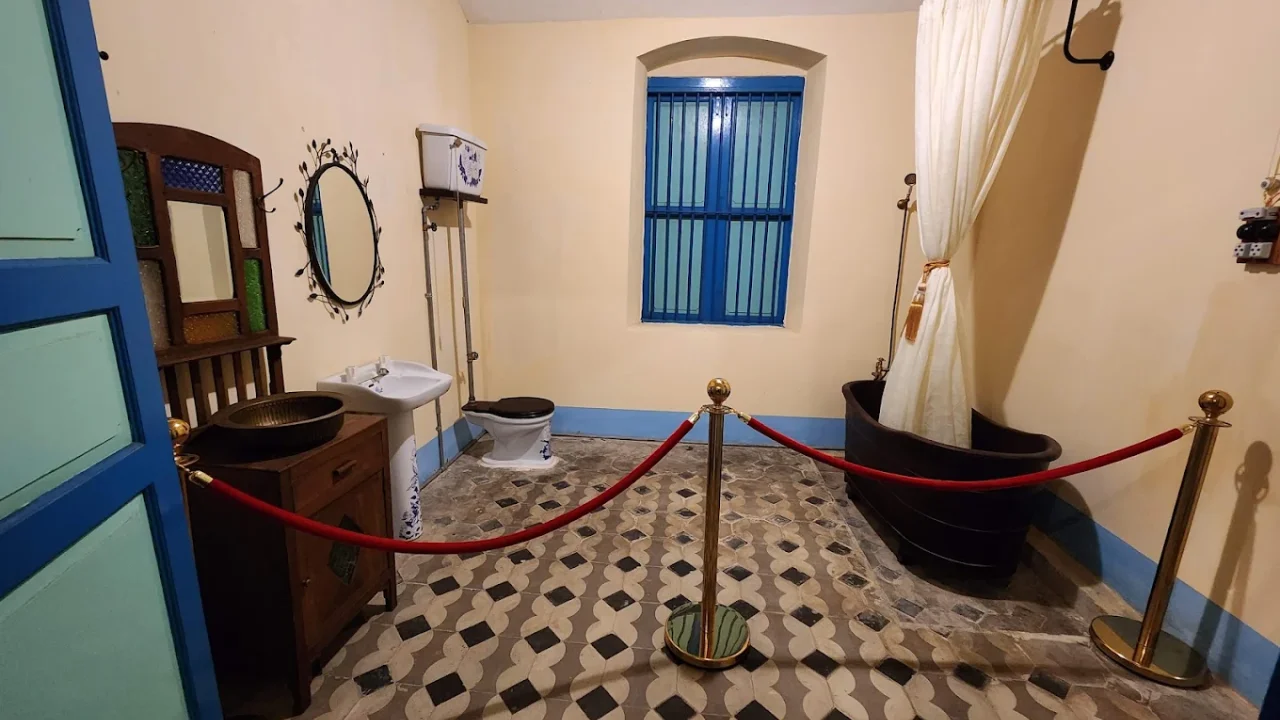
The bedroom has a carved wooden bed. The bathroom is tiled with floral tiles, equipped with imported ceramic bathtub, wash basin and mirror. It is a supreme luxury when placed next to the scene of prisoners lying on cement floors and taking baths in brackish well water not far away.
Space for displaying materials about the ruling system
After the liberation day, Dong Kinh Temple became the venue for displaying the materials of the Memorial Complex. Currently, many items in the temple display images, documents, and artifacts about the administration of the Côn Đảo prison, including a list of the island's rulers.
If you want to see the full exhibition system themed from the natural environment of Con Côn Đảo to “hell on earth,” “revolutionary school,” and “Côn Đảo today,” please take your time to visit the Côn Đảo Museum, which houses approximately 2,000 documents and artifacts.
Ticket prices and opening hours of the Temple of the Sun Island 2026
| Categories | Information |
|---|---|
| Opening hours | Morning 7:00 – 11:30, afternoon 14:00 – 17:00, all days |
| Timetable with an audio guide | Morning 7:00 and 9:00; afternoon 14:00 and 15:00 |
| Ticket price | Around 40,000 – 50,000 VND per person per trip |
| Ticket range | 5-point package: Con Côn Đảo Museum, God’s Island Palace, Phu Hai Camp, French Tiger Cage, American Tiger Cage |
| Where to buy tickets | Côn Đảo Museum ticket counter |
| Discount policy | Giảm 50% cho một số đối tượng như người có công với cách mạng, người cao tuổi… theo quy định |
Important note: Bạn không mua vé lẻ tại Dinh Chúa Đảo. Hãy đến Bảo tàng Côn Đảo trước để mua vé, sau đó đi theo đoàn thuyết minh qua cả 5 điểm (khoảng 2 giờ). Dinh từng có giai đoạn tạm đóng cửa để trùng tu, nên bạn hỏi lại tình trạng mở cửa tại quầy vé để không lỡ lịch trình.
Cách di chuyển đến Dinh Chúa Đảo
Chặng 1: Từ đất liền ra Côn Đảo bằng tàu cao tốc Phú Quốc Express
Bên cạnh máy bay, tàu cao tốc là lựa chọn được nhiều du khách ưa chuộng nhờ chi phí hợp lý, hành lý miễn cước 15 kg và có thể gửi xe máy ra đảo. Hiện Phú Quốc Express khai thác hai tuyến đến Cảng Bến Đầm (Côn Đảo):
| Line | Ship | Time | Vé ECO (T2–T5 / T6–CN, lễ) | VIP Tickets | Reference run time |
|---|---|---|---|---|---|
| Trần Đề (TP Cần Thơ) – Côn Đảo | Côn Đảo Express 36, Trưng Nhị (tàu hai thân) | Khoảng 2 giờ 15 – 2 giờ 30 phút | 390.000đ / 450.000đ | 590,000 VND | Đi 8:00, về 13:30 |
| Vũng Tàu (Cảng Cầu Đá) – Côn Đảo | Siêu tàu Thăng Long, 1.017 chỗ | Khoảng 3 giờ 30 – 4 giờ | 790.000đ / 950.000đ | 1.000.000đ / 1.100.000đ | Đi 7:30, về 13:00 (khai thác theo mùa) |
Giá tham khảo tháng 10/2026, chưa gồm phí cảng Bến Đầm 18.000đ/lượt. Trẻ em 6–11 tuổi và người từ 60 tuổi có giá ưu đãi; trẻ dưới 6 tuổi ngồi chung ghế với người lớn được miễn vé. Lịch tàu phụ thuộc thời tiết và có thể tạm ngưng vào mùa biển động. Hãy kiểm tra lịch và đặt vé tại online.phuquocexpress.com or call hotline 0901 868 878.
Chặng 2: Từ Cảng Bến Đầm hoặc Sân bay Côn Đảo về Dinh Chúa Đảo
- Từ Cảng Bến Đầm: Khoảng 12 – 15 km về trung tâm, mất 20 – 25 phút theo cung đường ven biển, đi ngang Mũi Cá Mập và Bãi Nhát. Bạn có thể đi taxi, xe điện, thuê xe máy tại cảng, hoặc mang xe máy theo tàu (cần đăng ký trước qua hotline).
- Từ Sân bay Côn Đảo (Cỏ Ống): Khoảng 13 – 15 km, mất khoảng 20 phút bằng taxi hoặc xe đưa đón.
Các di tích lân cận và lộ trình tham quan nửa ngày
Pier 914
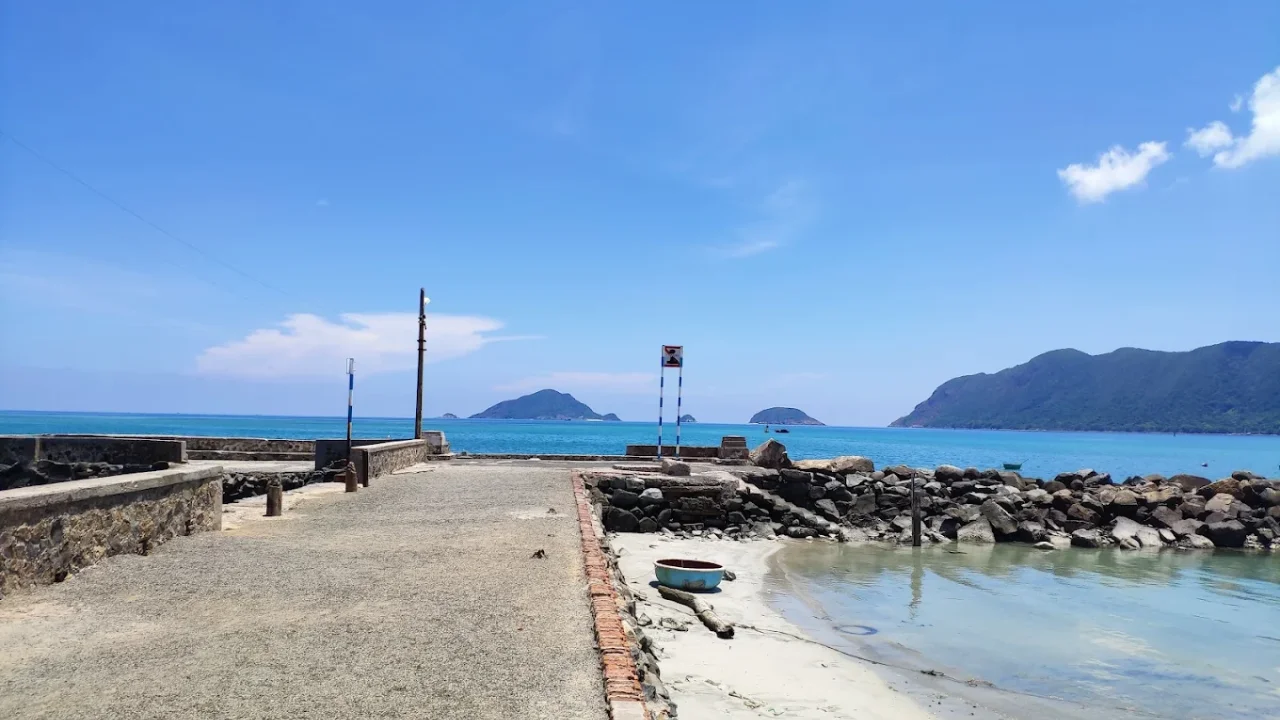
Cầu tàu nằm ngay trước cổng Dinh Chúa Đảo, xây từ năm 1873, dài khoảng 107 m, vươn ra vịnh Côn Sơn. Con số 914 tương truyền là số tù nhân đã bỏ mạng vì đá đè, kiệt sức và đòn roi trong quá trình xây cầu. Đây cũng là nơi đón các đoàn tù chính trị trở về đất liền sau ngày giải phóng 1975.
Nhà Công Quán
Nhà Công Quán nằm sát lối ra Cầu tàu, nép dưới tán bàng cổ thụ. Công trình được xây cuối thế kỷ 19 làm nhà khách cho quan chức đến đảo công vụ. Từ ngày 20/3 đến 19/4/1895, nhà soạn nhạc Pháp Camille Saint-Saëns lưu trú tại đây và hoàn thành những chương cuối của vở nhạc kịch Brunehilda. Ông còn để lại những dòng thư bày tỏ sự cảm thương với những người tù khổ sai.
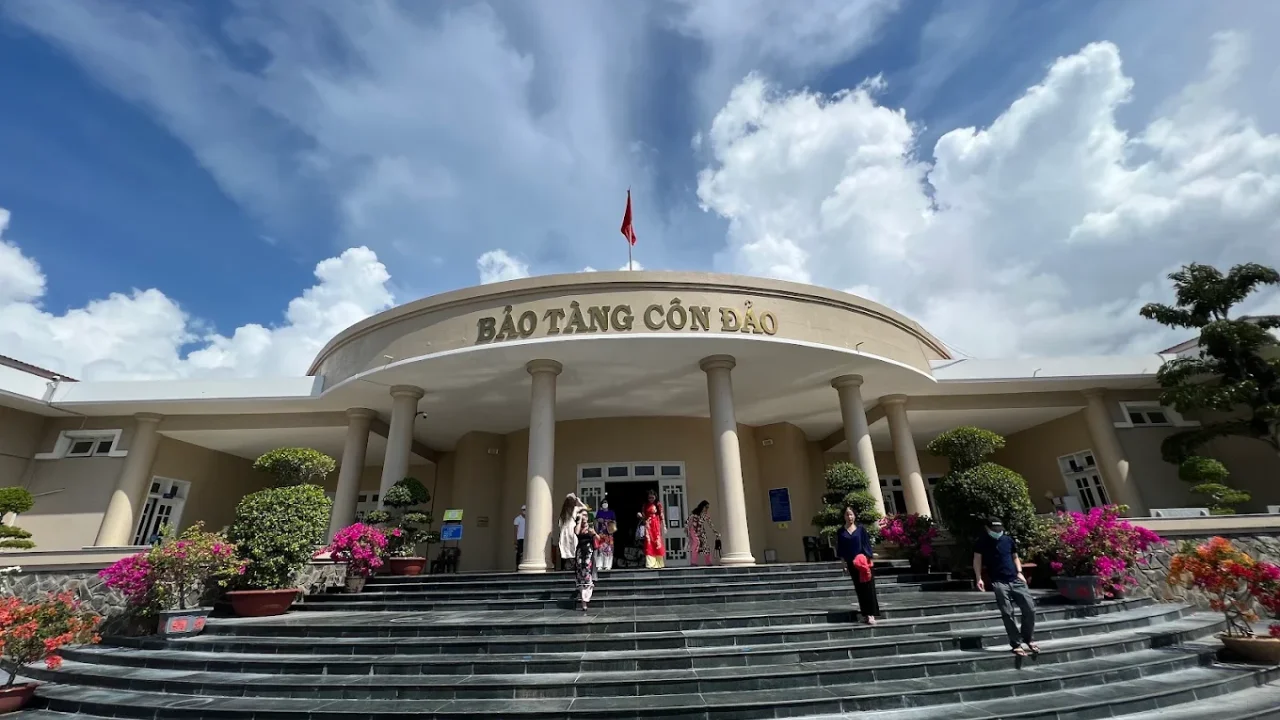
Con Dao Museum
Bảo tàng nằm trên đường Nguyễn Huệ, khu trung tâm. Đây là điểm xuất phát lý tưởng: bạn mua vé gộp, xem sa bàn toàn đảo và nghe thuyết minh tổng quan trước khi sang Dinh Chúa Đảo.
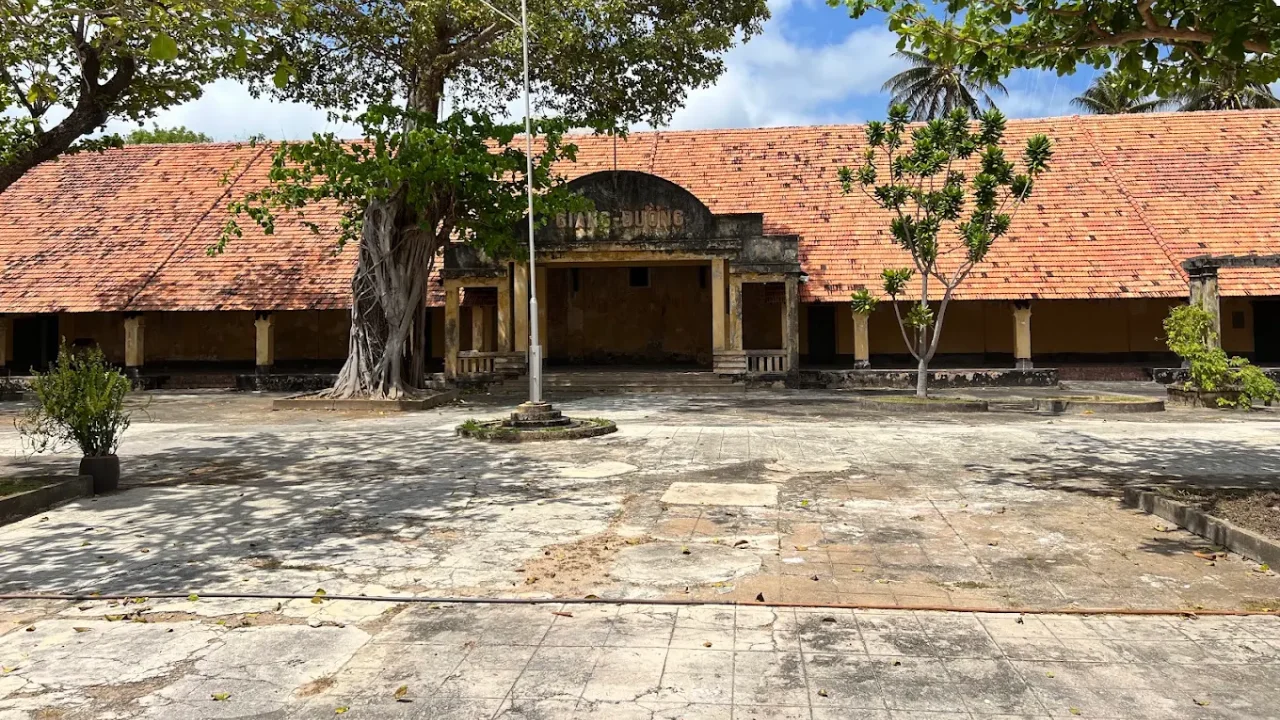
Trại Phú Hải và hệ thống Chuồng Cọp
Trại Phú Hải là trại giam lớn và lâu đời nhất Côn Đảo. Chuồng Cọp Pháp (trong trại Phú Tường) và Chuồng Cọp Mỹ cũng chỉ cách vài phút di chuyển. Đi liền từ dinh thự xa hoa sang nơi giam cầm sẽ cho bạn cảm nhận rõ nhất sự đối lập của 113 năm lịch sử.
Gợi ý lộ trình nửa ngày
| Time | Destination | Note |
|---|---|---|
| 7:00 | Con Dao Museum | Mua vé gộp, nhập đoàn thuyết minh |
| ~7:45 | Island Lord's Palace | 30–45 minutes |
| ~8:30 | Cầu tàu 914 và Nhà Công Quán | Chụp ảnh, nghỉ chân |
| ~9:00 | Phu Hai Camp | Trại giam cổ nhất đảo |
| ~9:45 | Chuồng Cọp Pháp, Chuồng Cọp Mỹ | Kết thúc trước 11:30 |
| Evening | Hang Duong Cemetery | Viếng mộ chị Võ Thị Sáu |
Thứ tự các điểm có thể thay đổi theo sắp xếp của thuyết minh viên.
Kinh nghiệm và lưu ý khi tham quan Dinh Chúa Đảo
Đi đúng khung giờ có thuyết minh viên
Nếu đi tự túc, hãy có mặt tại Bảo tàng Côn Đảo vào 7:00, 9:00, 14:00 hoặc 15:00 để nhập đoàn. Thuyết minh viên kể những câu chuyện mà biển chú thích không thể truyền tải hết.
Ăn mặc lịch sự, giữ thái độ trang nghiêm
Đây là Di tích Quốc gia đặc biệt gắn với sự hy sinh của các chiến sĩ cách mạng. Hãy mặc quần dài hoặc váy qua gối, áo có tay; không mặc đồ bơi hay trang phục phản cảm.
Không chạm vào hiện vật
Bàn bida, giường gỗ, bàn ghế phục dựng đều là hiện vật trưng bày. Bạn không ngồi, không chạm, và giữ trật tự khi nghe thuyết minh.
Chuẩn bị ít tiền mặt mệnh giá nhỏ
Trung tâm Côn Đảo hiện đã có ngân hàng, cây ATM, và hầu hết nhà hàng, khách sạn đều nhận chuyển khoản QR. Tuy vậy, mang sẵn ít tiền mặt sẽ giúp mua vé di tích nhanh hơn.
Ưu tiên buổi sáng
Côn Đảo nắng gắt về trưa và hay có mưa rào buổi chiều vào mùa mưa (tháng 5 – 11). Tham quan cụm di tích buổi sáng sẽ dễ chịu hơn nhiều.
Frequently Asked Questions (FAQ)
1. Dinh Chúa Đảo hiện có mở cửa không?
Có. Dinh mở cửa theo khung giờ chung của cụm di tích: sáng 7:00 – 11:30, chiều 14:00 – 17:00. Di tích từng có giai đoạn tạm đóng để trùng tu, đôi khi cũng tạm ngưng vài giờ để bảo quản, chống mối mọt. Bạn nên hỏi lại tại quầy vé Bảo tàng Côn Đảo trước khi đi.
2. Vé tham quan Dinh Chúa Đảo bao nhiêu tiền?
Khoảng 40.000 – 50.000đ/người. Đây là vé gộp cho 5 điểm (Bảo tàng Côn Đảo, Dinh Chúa Đảo, Trại Phú Hải, Chuồng Cọp Pháp, Chuồng Cọp Mỹ), mua tại quầy vé Bảo tàng.
3. Chúa đảo Côn Đảo là ai?
Chúa đảo là người đứng đầu bộ máy cai trị kiêm giám đốc nhà tù Côn Đảo, nắm toàn quyền hành chính, tư pháp và quân sự trên đảo. Trong 113 năm (1862 – 1975) có 53 đời chúa đảo: 39 người thời Pháp và 14 người thời Mỹ – VNCH. Người đầu tiên là Félix Roussel; khét tiếng nhất là Andouard, Bouvier và Nguyễn Văn Vệ.
4. Tham quan Dinh Chúa Đảo mất bao lâu?
Riêng Dinh Chúa Đảo mất khoảng 30 – 45 phút. Đi trọn tuyến 5 điểm di tích theo vé gộp mất khoảng 2 – 2,5 giờ.
5. Nên đi Côn Đảo mùa nào để thăm Dinh Chúa Đảo?
Dinh có thể tham quan quanh năm vì phần lớn không gian nằm trong nhà. Nếu đi tàu cao tốc, tháng 4 – 6 thường là lúc biển êm nhất. Từ tháng 10 đến tháng 3 năm sau là mùa gió chướng, sóng lớn hơn và lịch tàu có thể điều chỉnh.
6. Có được chụp ảnh trong Dinh Chúa Đảo không?
Được, bạn có thể chụp ảnh sân vườn, hành lang và các gian phòng. Hãy giữ thái độ trang nghiêm, không tạo dáng phản cảm tại khu trưng bày tư liệu tội ác chiến tranh, và tắt flash nếu có biển báo.
7. Từ TP.HCM đi Dinh Chúa Đảo bằng tàu thế nào?
Bạn đi xe limousine từ TP.HCM xuống Cảng Cầu Đá (Vũng Tàu), khoảng 2 – 2,5 giờ. Sau đó đi siêu tàu Thăng Long của Phú Quốc Express ra Cảng Bến Đầm (tuyến khai thác theo mùa), rồi đi taxi hoặc xe máy khoảng 20 – 25 phút về trung tâm. Nếu xuất phát từ miền Tây, tuyến Trần Đề – Côn Đảo là lựa chọn nhanh và tiết kiệm nhất.
Hơn một thế kỷ trôi qua, Dinh Chúa Đảo không còn là trung tâm quyền lực của chế độ lao tù. Nơi đây đã trở thành không gian giáo dục lịch sử đặc biệt, nơi mỗi người Việt hiểu sâu hơn cái giá của độc lập, tự do. Hãy lên lịch trình sớm và đặt vé tàu cao tốc Phú Quốc Express để bắt đầu hành trình về nguồn tại Côn Đảo.
Nguồn tham khảo: Cổng thông tin du lịch Côn Đảo (condao.com.vn), Sở Văn hóa và Thể thao Bà Rịa – Vũng Tàu (cũ), Báo Sài Gòn Giải Phóng, Báo Đại Đoàn Kết
