


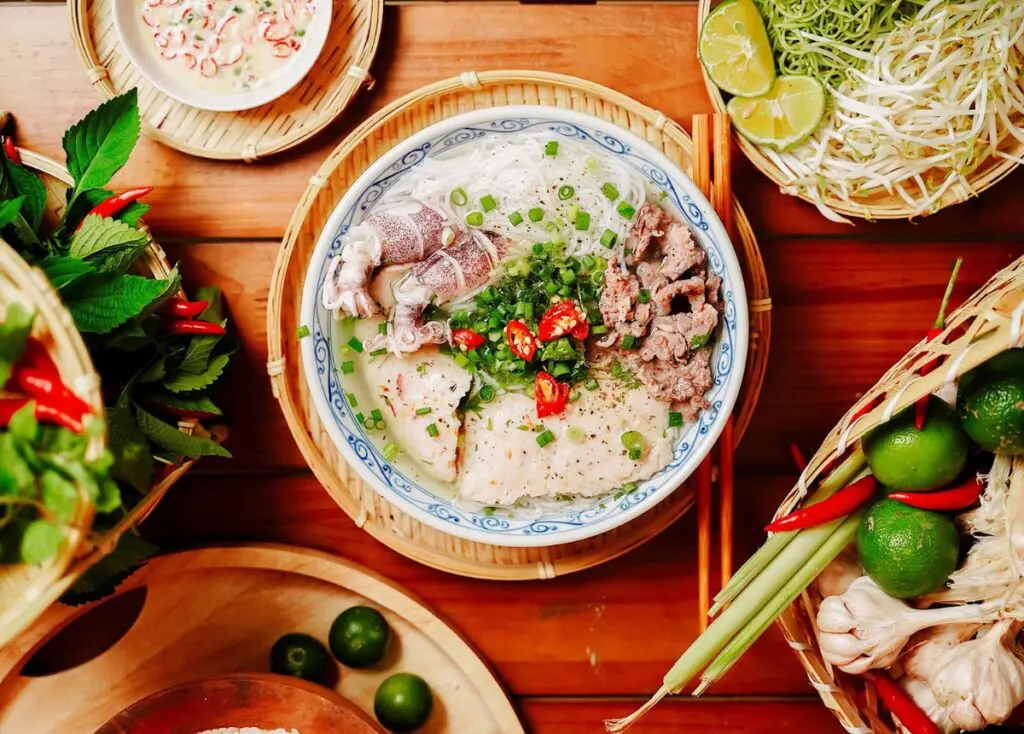
If they could only eat one street food dish when they go to the island, many people would choose it. Bún quậy Phú Quốc. Fresh bun pressed on the spot, shrimp balls stuffed with minced fish, sweet and clear broth, and a sauce made by you yourself. This dish has its own unique flavor that few other places have. This article will help you understand this dish, how to enjoy it properly, and how to choose it. The best bun quậy restaurant Phú Quốc fits into my schedule.
1. What Phú Quốc is Bún Quậy?
Origin of bun quậy
Bun Quay originated from the shrimp bun of Binh Dinh. According to many sources, people from the Central region brought this dish to the island and popularized it around the mid-1990s. In Hoi An Phú Quốc, the people grind the shrimp with fresh seafood from the local area such as shrimp, fish, and squid, and then transform it into a specialty dish as it is today. Among the most mentioned restaurants, Construction Engineering It is often considered the brand that brought this dish to a large number of tourists.
Why is it called “quacky”?
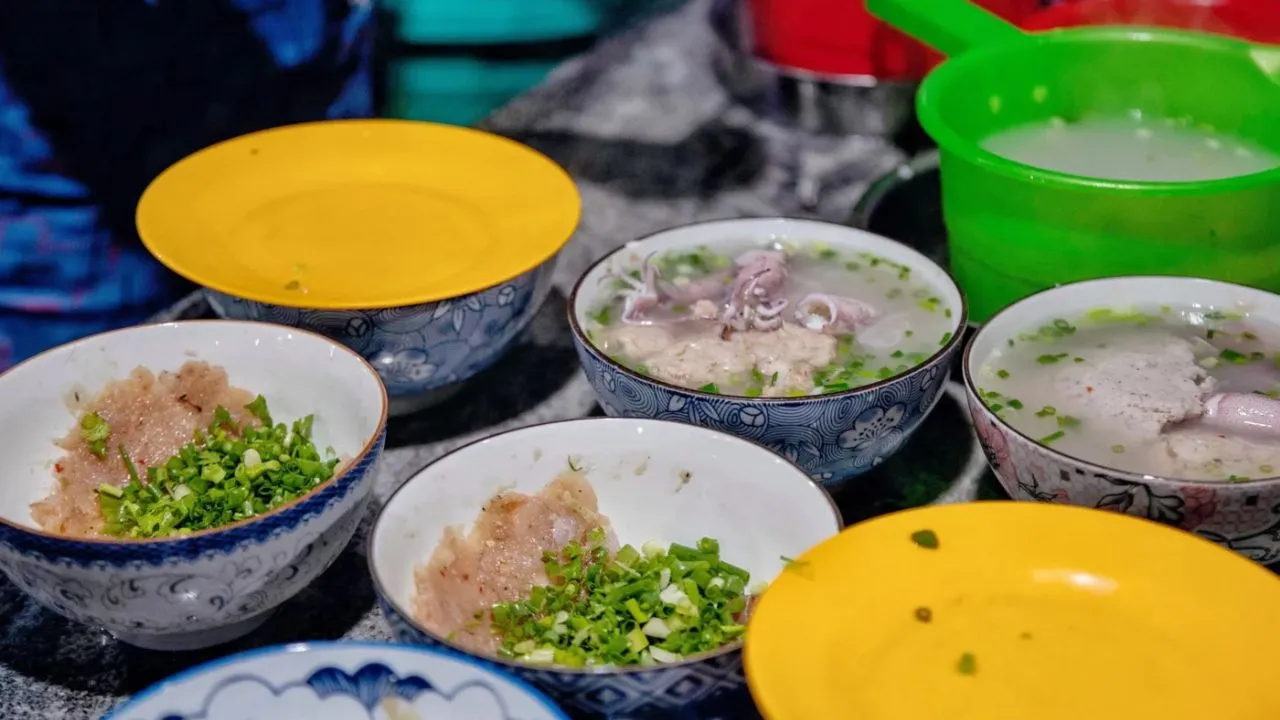
The word “quậy” comes from two things the diners have to do themselves: stir the sauce mixture until it is smooth, slightly thick, and reddish orange; and stir the remaining shrimp in the bowl so that the hot broth can gradually cook them. This way, the dish offers a very enjoyable interactive experience, where each person can customize their own sauce according to their own taste.
2. The ingredients that make the authentic bowl of quai bun
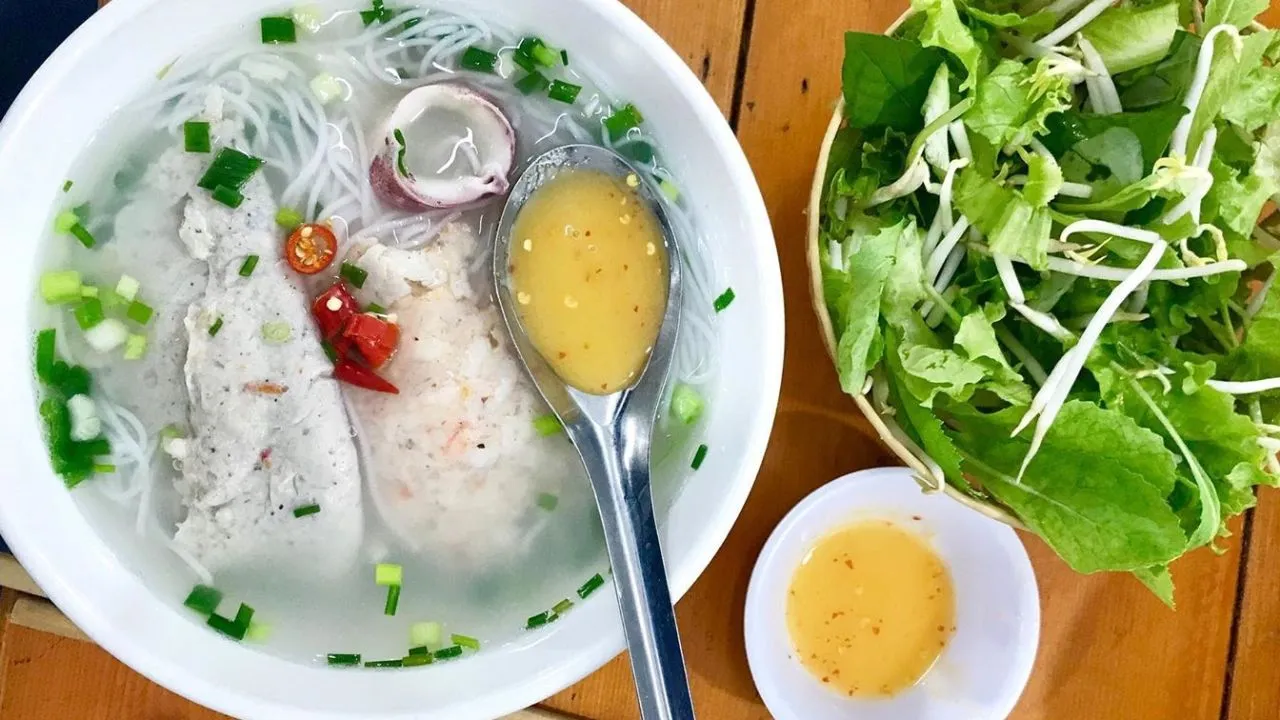
A typical bowl of quậy usually has the following ingredients, although the details may vary slightly between different restaurants:
- Fresh noodles: It is pressed locally, soft and moderately chewy. Many restaurants make bun from rice flour, pressed directly into boiling water and then removed from the pot immediately.
- Shrimp balls, fish balls, squid balls: The sauce is made from fresh seafood caught around the island. It is often still slightly raw when served and will gradually cook in the hot broth.
- Broth: Mild and sweet, not too thick when cooked. The cooking method varies from place to place; some places use bone broth and seafood, while others use the broth itself.
- Homemade sauce: The base is salt, sugar and chili peppers, plus garlic or lemon, and pepper Phú Quốc.
- Additional toppings: Some restaurants offer sweet stir-fried beef or sliced fresh squid.
3. How to eat bun quậy in the authentic way of the local people
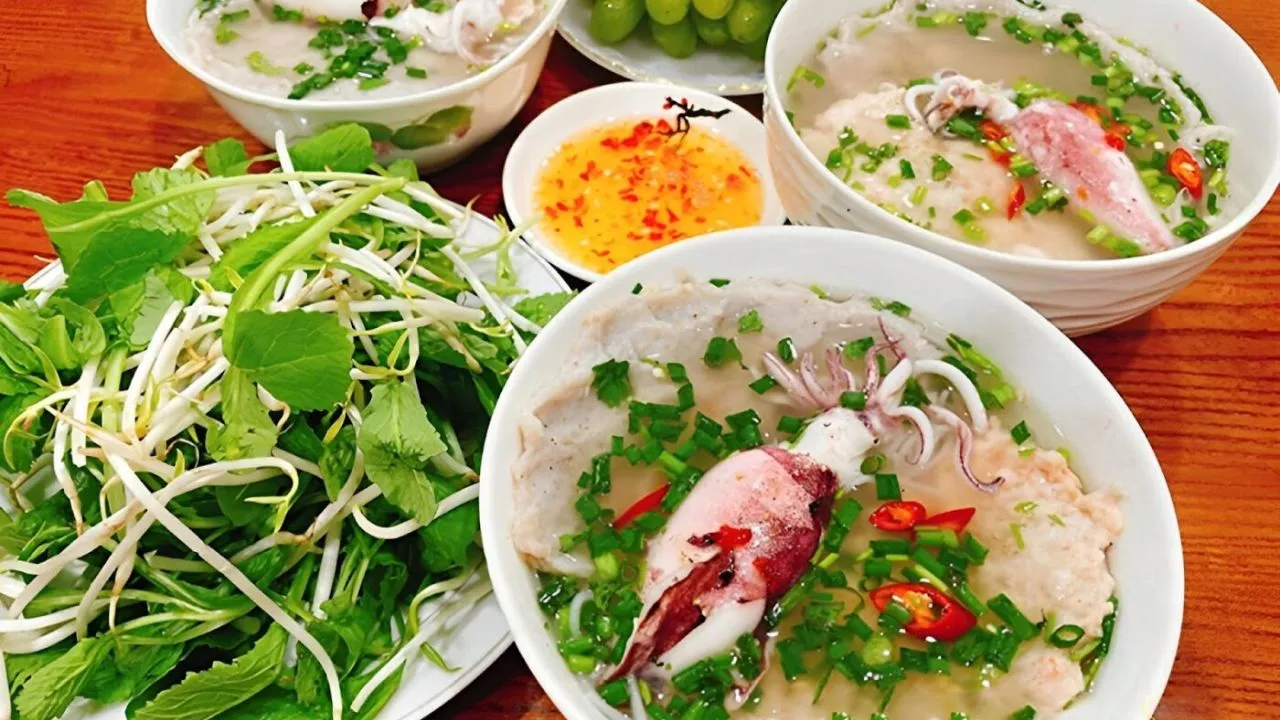
- Juice of the sauce: Go to the spice aisle, add salt and sugar first, then chili peppers, squeeze lime or lemon juice, sprinkle with pepper, then stir well. Don't add too much fish sauce right from the start; just adjust the amount to your liking.
- Chicken broth: When the rice noodles are brought out, the noodles are no longer sticky, so stir them gently to let the hot broth cook the noodles completely.
- Season the broth: You can add some sauce to the bowl to enhance the flavor (about 1/3 to 1/2 of a tablespoon), then sprinkle some more pepper.
- Punish and enjoy: Take each piece of char siu and mung bean paste and dip them in the sauce instead of pouring them all into a bowl; this will retain the natural sweetness of the seafood.
- Serve with sugarcane juice: Locals often drink a glass of cold sugarcane juice to balance the spicy and tart flavors of the chili and pepper.
* Little tip: People who don't like spicy food just need to reduce the amount of chili or ask the staff to make the sauce a little milder.
4. Top 6 best bun quậy restaurants Phú Quốc you should try
The list below is based on the actual reviews of many travelers. (Prices and opening hours are for reference only; they may change at any time).
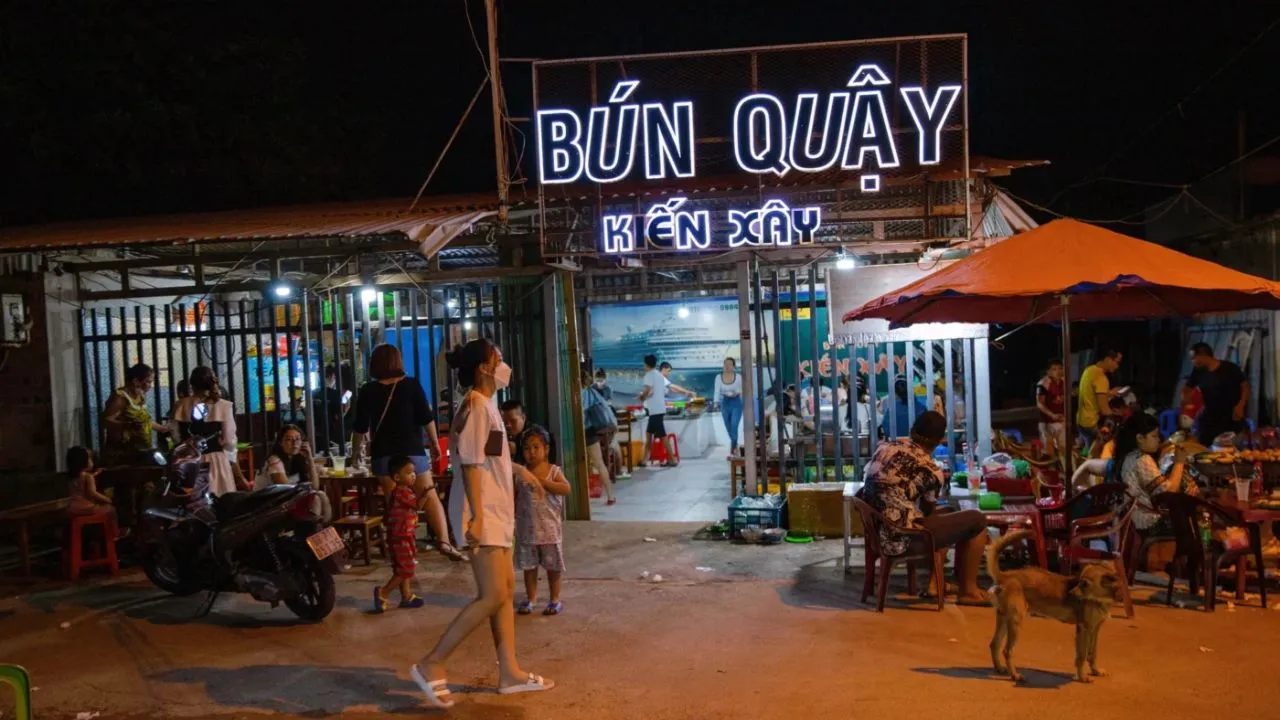
1. Bún quậy Kiến Xây
- Address: 28 Bach Dang and 222 Tran Phu, Duong Dong
- Opening hours: 7:00 AM – 11:45 PM
- Reference price: 35,000 – 65,000 VND
This is the most famous restaurant when it comes to bún quậy. The Bạch Đằng branch has a spacious space and a central location, making it very convenient for tourists.
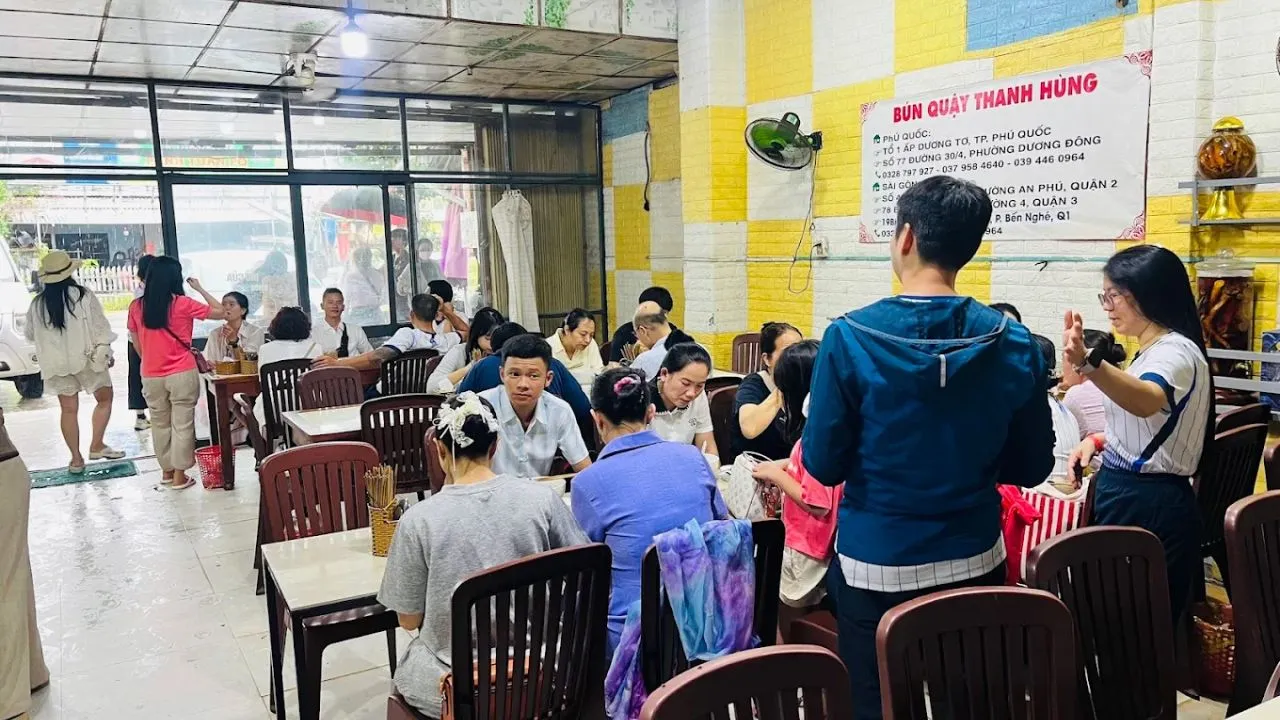
2. Thanh Hung's Bún Quậy
- Address: Ap Duong To (Near the airport) & 77 Dong Duong Street, Duong Dong
- Opening hours: 6:00 AM – 11:30 PM
- Reference price: 40,000 – 70,000 VND
The restaurant is spacious and clean, the food is plentiful. The branch near the airport is extremely convenient for those who want to fill their stomachs before boarding the plane.
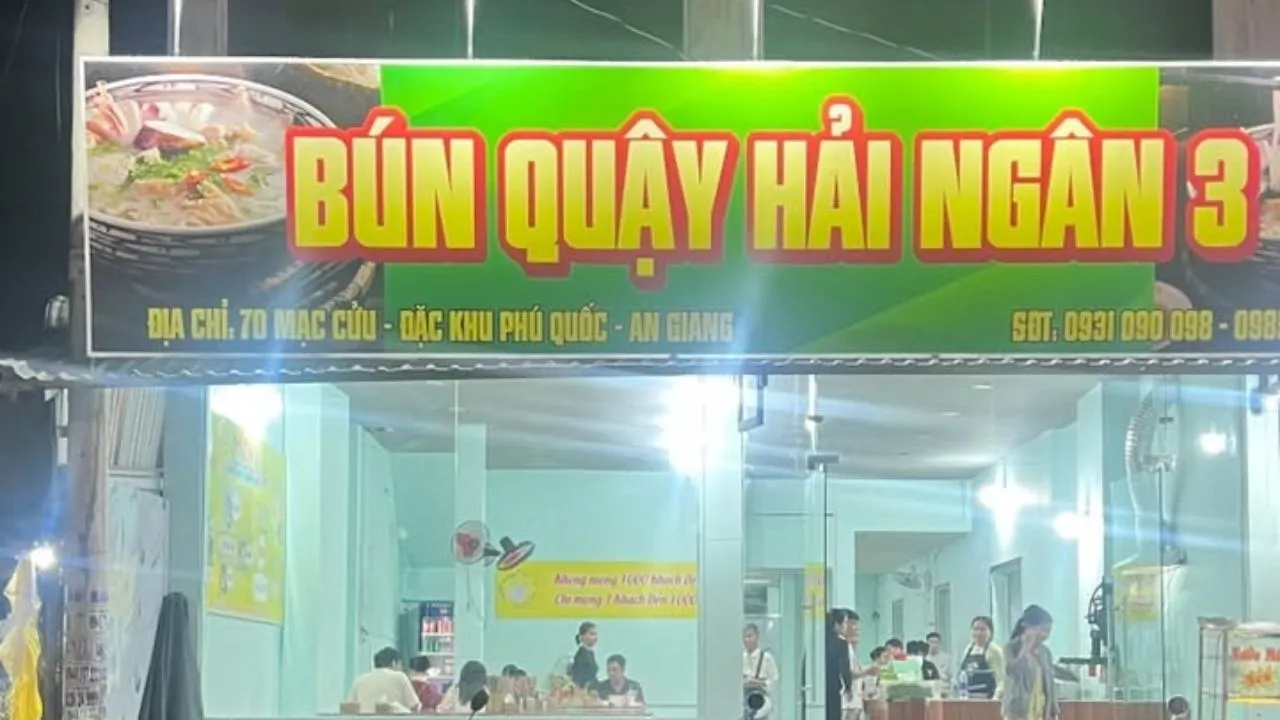
3. Hai Ngân's Quacky Noodles
- Address: 147 Đường 30/4, Dương Đông
- Reference price: 40,000 – 60,000 VND
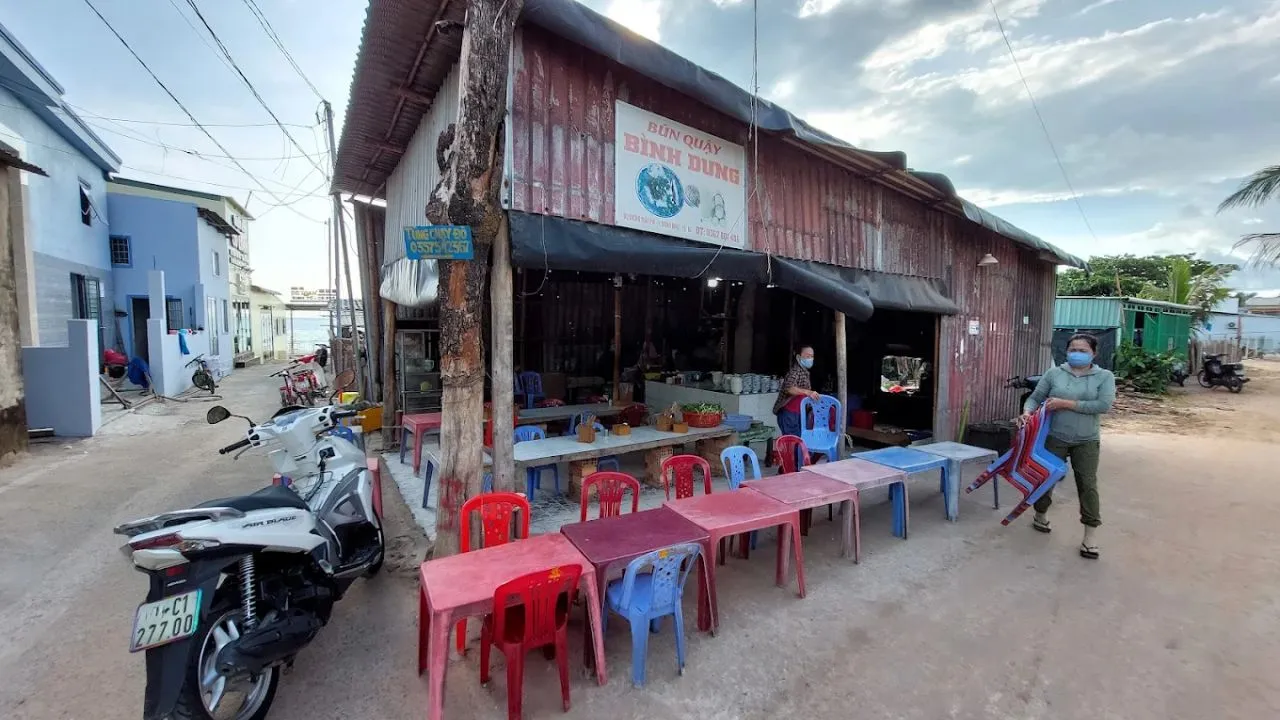
4. Bun Quai Binh Dung
- Address: 10 Hung Vuong & Hiem 213 Tran Phu, Duong Dong
- Reference price: 30,000 – 50,000 VND
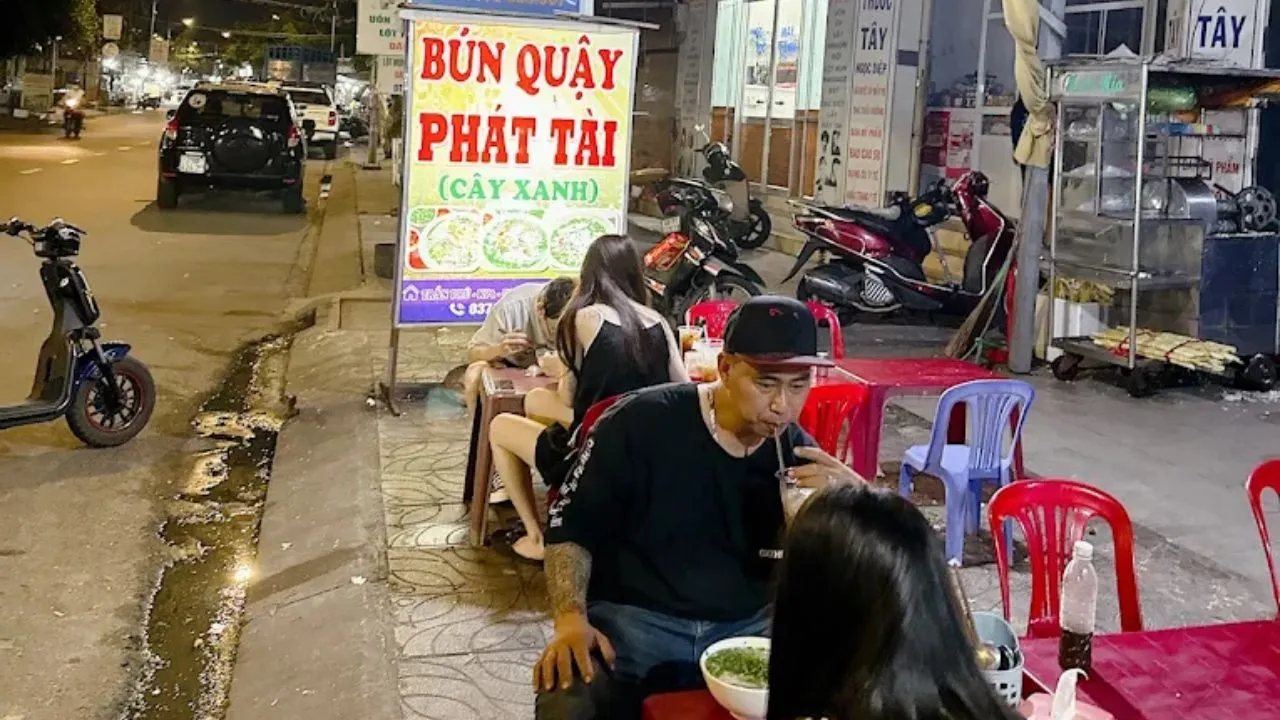
5. Bun Quay Cây Xanh
- Address: 169 Tran Phu, District 6, Duong Dong
- Reference price: 30,000 – 60,000 VND
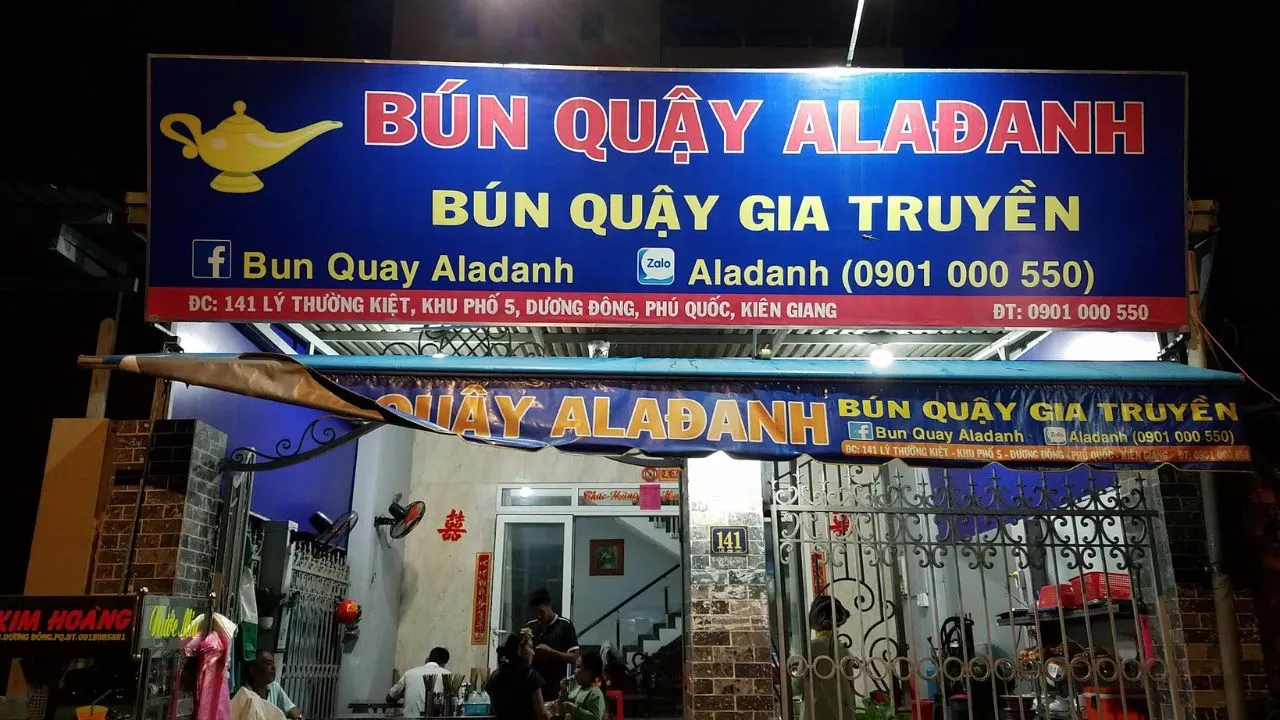
6. Alađanh Bún quậy
- Address: 141 Ly Thuan Kiet, Duong Dong
- Reference price: 30,000 – 65,000 VND
5. Quick comparison chart of 6 bun quai restaurants
| Restaurant | Area | Reference price | Highlights |
|---|---|---|---|
| Construction Engineering | Bach Dang / Tran Phu | 35K – 65K | Long-standing brand, diverse toppings |
| Thanh Hung | Duong To / Road 30/4 | 40K – 70K | Full meal portion, branch near the airport |
| Hai Ngân | 30/4 Street | 40K – 60K | The soup is sweet and refreshing, the atmosphere is quiet |
| Binh Dung | Hung Vuong / Tran Phu | 30K – 50K | Traditional flavors, watching the process live |
| The Green Tree | Tran Phu | 30K – 60K | Affordable and affordable prices, with sugarcane juice available |
| Aladanh | Li Truong Kiet | 30K – 65K | Convenient central location, fast service |
6. Experience eating Quai Bun in Phú Quốc
- It's time to go now: Early in the morning when the ingredients are freshest, or late at night after 7pm to avoid the crowds.
- Things to avoid now: During the afternoon and early evening hours (17:00-18:00), the restaurants are usually very crowded, so you may have to wait in line for a long time.
- Choose a restaurant based on the schedule: Located in the center of Duong Dong, you can walk to Kien Xay, Binh Dung, and Can Xanh. If you’re heading to the airport, Thanh Hung (Duong To) is the perfect choice.
- Combination of sightseeing: After eating, you can take a leisurely stroll to Bai Dai Beach, Ho Quoc Temple, Rach Veam fishing village, or Sun World Hon Thom resort.
7. Take the high-speed train to Phú Quốc enjoy local specialties
If you are coming from the West, taking the high-speed train is the most convenient, safe, and economical way to get to the island and start your journey exploring the cuisine.
👉 You can view the departure time and detailed ticket prices here: Train timetables for the routes Phú Quốc Express.

8. Frequently Asked Questions (FAQ)
What Phú Quốc is Bún quậy?
This fresh noodle dish is served with shrimp balls, fish balls, squid, and a sweet and savory broth, accompanied by a bowl of dipping sauce made by the diners themselves. This dish originates from Binh Dinh-style tom yum noodle, but has been adapted to suit the local seafood of the pearl island.
Why is it called bún quậy?
Because diners have to manually use a “stirring” spoon to stir the sauce to ensure the spices blend well, they also have to stir the fresh meat balls in the bowl of bún to heat the broth before eating.
Which Phú Quốc is the best bun quậy restaurant?
Keen Xay is the most famous and oldest restaurant. However, Thanh Hung, Hai Ngang, Binh Dung, Canh Xanh or Alađanh also have excellent flavors. You can choose the restaurant based on your location and taste preferences.
How much does a bowl of stir-fried noodles cost?
Prices range from 30,000 VND to 70,000 VND depending on the restaurant, the size of the bowl (small/large), and the amount of toppings you add.
Does eating stir-fried rice have any spicy taste?
The spiciness level is entirely up to you when making the sauce yourself. If you don't like spicy food, just don't add chili or ask the restaurant to make it with less chili powder.
Where do I get on the high-speed train from Phú Quốc?
You can take the high-speed train Phú Quốc Express that departs from the port Rạch Giá or terminal Hà Tiên (Kien Giang).
