

When taking a coastal trip by high-speed ferry, checking the weather before departure is crucial to ensuring a safe journey. Whether you’re taking the Phú Quốc high-speed ferry route (from Rạch Giá or Hà Tiên) or the Trần Đề–Côn Đảo route operated by Phú Quốc Express, weather forecasts can change unexpectedly. Just a strong wind, high waves, or a tropical depression can cause your trip to be delayed or canceled to ensure safety. To enjoy a seamless coastal trip, check out the following helpful tips.
Why Check the Weather Before Taking a Cruise?
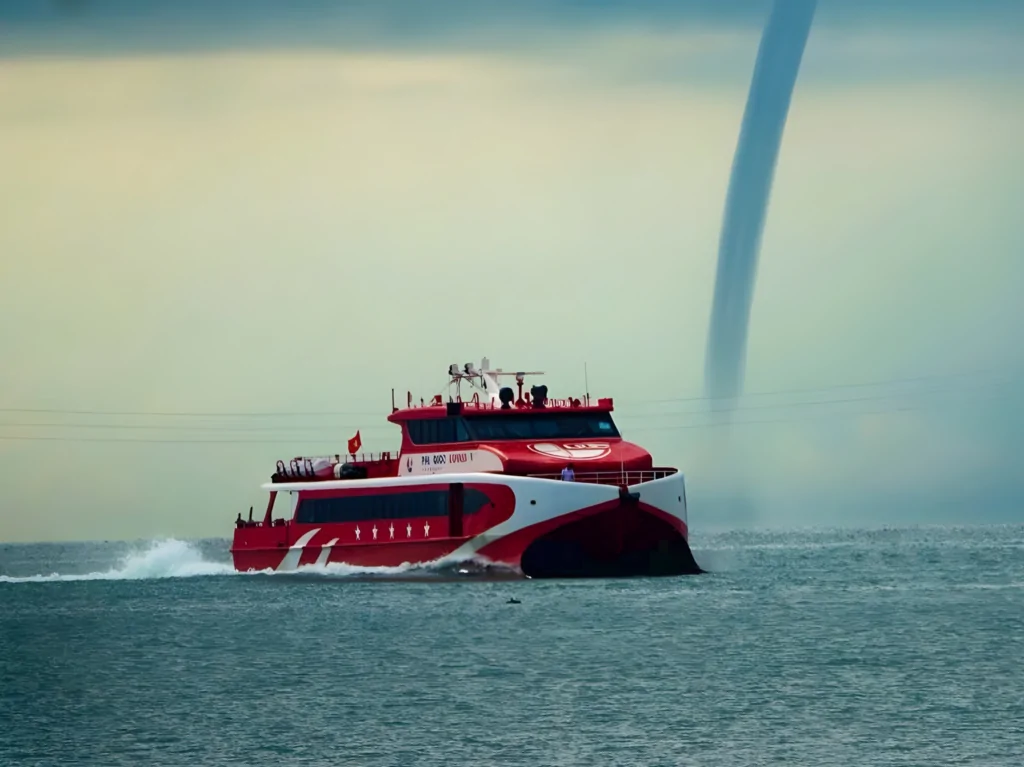
Rough seas, storms, and strong winds are the main reasons why high-speed ferry trips are delayed or canceled. On routes such as Rạch Giá – Phú Quốc, Hà Tiên – Phú Quốc, or Trần Đề – Côn Đảo, severe weather can occur even during the dry season. Passengers often assume the sea is calm, but in reality, storms can develop in just a few minutes. Therefore, monitoring weather forecasts will help you proactively adjust your schedule or choose an alternative mode of transportation if necessary.
Phú Quốc Express always advises passengers to check the marine weather forecast before booking tickets and setting out; if rough seas or storms are forecast, the voyage may be canceled for safety reasons, and the company will assist with ticket changes or a 100% refund %.
In addition, the holiday season is peak beach tourism, and with high visitor numbers, tickets often sell out quickly. Checking the weather helps travelers avoid booking tickets on days with a high risk of severe storms, while booking early secures a safe spot. Constantly monitoring weather information from reliable sources and preparing before boarding are decisive factors in ensuring a smooth and safe trip.
Reliable Weather Forecasting Tools and Sources
Vietnam has a fairly comprehensive hydro-meteorological information system. To check marine weather forecasts, you should consult:
National Center for Hydro-Meteorological Forecasting (NCHMF)
This center's website and newsletter provide warning information on storms, tropical depressions, and high waves. NCHMF regularly issues warnings on sea conditions and storm situations by region in the South China Sea. This is an official source for passengers to rely on before each trip out to sea.
Website link: https://www.nchmf.gov.vn/kttv/

How to view typhoon, wave, and wind forecasts using Windy — step-by-step guide
In addition to national forecasts, the Windy app is widely used thanks to its intuitive Vietnamese interface, global data, and the ability to view forecasts up to 10 days in advance. The specific viewing method is as follows:
- Access website windy.com or download the Windy app to your phone.
- Enter the destination you want to look up, such as “Côn Đảo” or “Phú Quốc.”.
- Look at the toolbar at the bottom of the screen: the system will display the time zone, temperature, precipitation, wind speed, and wind direction hour by hour for the coming days.
- In the right column, you can select individual data layers: wind, lightning and rain, temperature, clouds, waves, air quality — each displayed with a color scale, where darker colors (red, purple) indicate stronger wind/waves/rain.
- If you see a swirling icon appear on the map, it is a sign that a storm is forming or moving—you should not go out to sea at that time.

Disaster risk level warning to note
According to current Vietnamese regulations, disaster risk warnings are divided into 5 levels (from level 1, light blue – low risk, to level 5, purple – disaster level). Specifically for storms and tropical depressions, warnings only begin to be issued from Level 3 (orange) and above. Therefore, if the forecast bulletin for the area you are about to travel through records a natural disaster risk warning due to a storm or tropical depression of level 3 or higher, this is a signal to seriously consider postponing your trip. Note that the specific wave/wind thresholds for a high-speed train to stop operating also depend on the decisions of the port authority and the registry unit at each time — you should contact the ferry company directly for the most accurate confirmation before departure time.
Comparing information between sources also helps ensure news accuracy. In addition to Vietnamese news bulletins, you can check international information (such as on Windy) and compare it with local warnings. Especially during the Tet holiday season, when the possibility of sudden weather changes is high, continuously updating hourly forecasts will help you respond in a timely manner.
Note: For Phú Quốc Express customers, the company also recommends checking the weather before your trip: if the sea is rough or there is a storm, the ferry may be canceled for safety reasons, and passengers will be offered a ticket exchange or a refund if the trip is canceled for this reason.
Important Marine Weather Factors to Note
Ocean waves and strong winds
Wave height (in meters) and wind speed are two key indicators that determine rough sea conditions. Waves from 2–3m high combined with strong winds (level 6–7 or higher) can cause high-speed boats to slow down or even prevent them from leaving port. You should avoid traveling by boat when waves are at an alarming level and winds are at level 6 or higher.
Storms and tropical depressions
Tropical storms or depressions can appear in the East Sea at any time during the storm season (usually from June to November), but sometimes they appear earlier or later. When there is information about a tropical depression or storm, you need to closely monitor its direction of movement and be prepared to postpone your trip if the storm encroaches deeply into the area where the ferry route will pass.
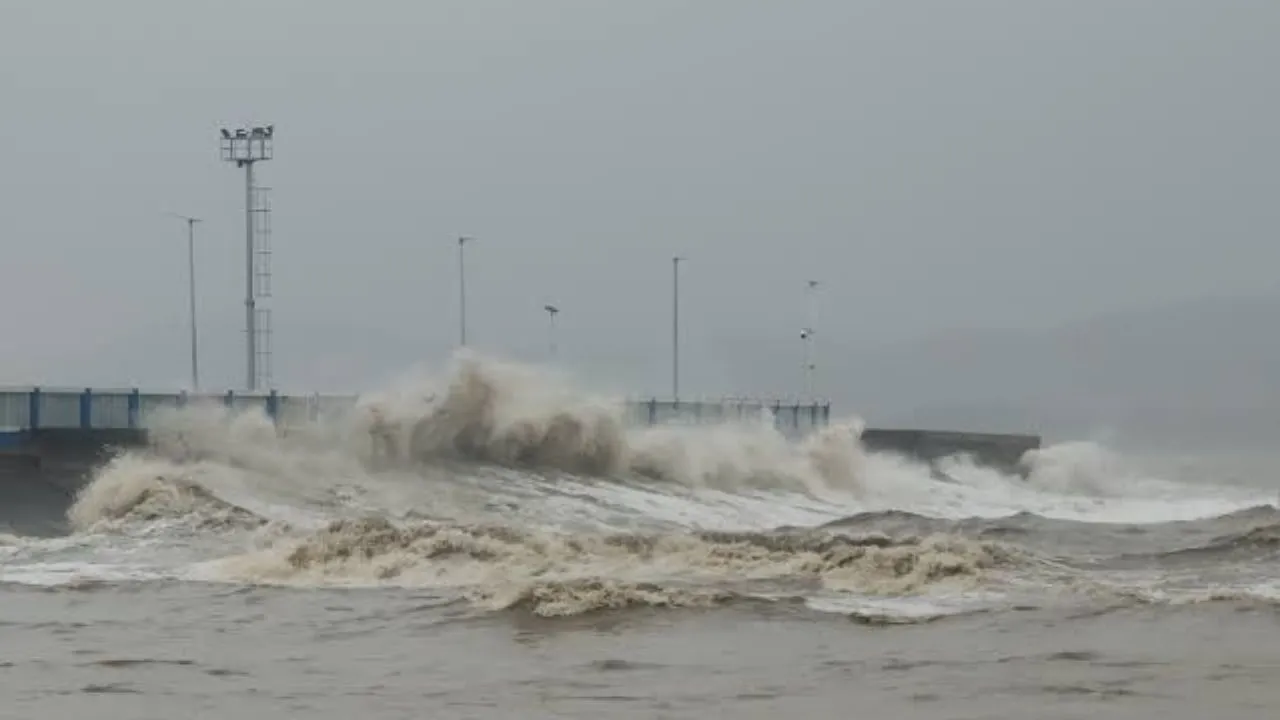
Thunderstorms and lightning
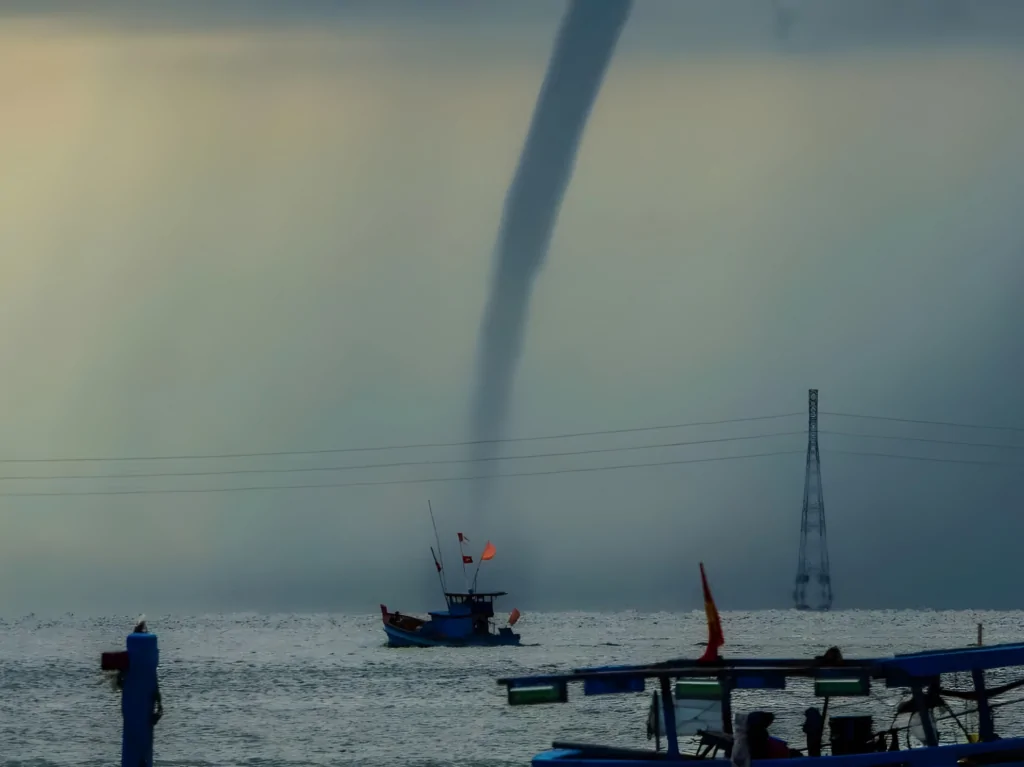
Sudden wind gusts and squalls are also very dangerous. Even brief thunderstorms can severely limit visibility, making boat navigation difficult. Although the journey is short, thunderstorms can strike unexpectedly, so one should not be complacent just because the sky is clear at departure.
Tides and ocean currents
Certain areas with high tides and strong currents (such as river mouths or narrow straits between two islands) also require special attention. For example, Pier Trần Đề is located at a river mouth and is significantly affected by the semi-diurnal tidal regime—on days of low tide, large ships may need to wait for high tide to safely dock or depart, causing actual departure times to deviate from the published schedule.
Tip: Refresh the forecast data right before boarding. If you are unsure about the allowable wave or wind conditions, contact the cruise line in advance so the staff can provide the actual weather situation and recommendations.
Signs of Impending Bad Weather Right on Board
In addition to checking the forecast before you go, you should also know how to recognize the signs of deteriorating weather while you are already on the boat, as offshore weather can change faster than forecast. According to maritime safety recommendations shared by many captains, some signs to watch out for include:
- Low clouds thicken and lower, or billowing clouds develop vertically higher and higher
- Dark clouds look threatening, especially appearing in the west or southwest
- Sudden drop in temperature
- A halo appears around the sun or moon
- The wind increases strongly or suddenly changes direction
- There is lightning on the horizon
- The ocean waves have become noticeably stronger than before
If the vessel is equipped with a barometer, you can check it every 2–3 hours: a rising barometer usually signals better weather, but the wind may be stronger; a falling barometer indicates that rain is approaching. When you notice these signs, proactively inform the crew rather than making your own assessment and waiting.

Prepare Equipment and Comply with Safety Regulations
Besides monitoring the weather, preparing luggage and complying with safety regulations are also very important:
Bring standard-compliant life jackets
Although high-speed ferries always provide standard-compliant life jackets for every passenger, you should put on your life jacket as soon as you board the ferry and keep it ready for use. Especially for children, make sure they wear a life jacket in the proper size as soon as they step on board. On the Phú Quốc Express train, life jackets are usually stored on racks above the seats—be sure to look for them as soon as you board.
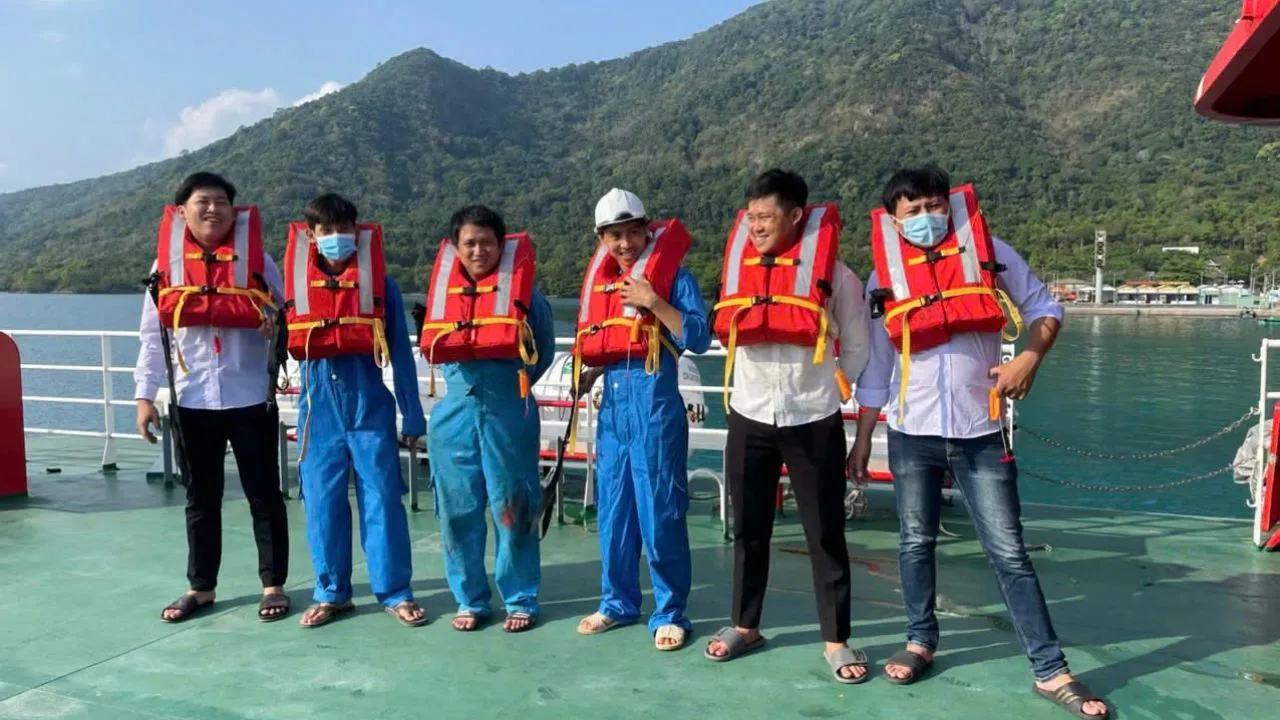
Light luggage, appropriate attire
Avoid carrying bulky luggage or high heels; instead, prepare flat shoes that fit securely to your feet. In high wave conditions, maintaining balance while walking on deck is very important, and caution is necessary even for short walks (15–30 minutes). Pack your luggage neatly, avoiding large handbags and unnecessary items.
Essential personal equipment
In addition to your luggage, you can bring a handheld flashlight or a personal safety alarm. The light from the flashlight will be useful if an incident occurs at night or when the train stops operating; a whistle or signaling device can help you attract the attention of the rescue team. These compact devices do not take up much space but can be life-saving when needed.
Understand safety instructions and the emergency task assignment table
After boarding the ship, pay close attention to the safety instructions from the crew or the introductory video on board. On all passenger ships, there is an emergency duty roster that specifies the alarm signal, assembly station, and duties of each passenger in the event of an incident — this roster is usually posted in the hallways and seating areas. Knowing the location of life jackets, emergency exits, and the emergency assembly station (muster station) helps you react properly if an urgent evacuation is needed.
Comply with maritime regulations
According to the National Technical Regulation on Marine Safety Equipment QCVN 42:2015/BGTVT (compiled by the Vietnam Maritime Administration and issued by the Ministry of Transport), every vessel must meet inspection standards for lifesaving and firefighting equipment before entering service. Phú Quốc Express’s fleet of modern catamarans is fully equipped with rescue and emergency response equipment in accordance with the standards, including life jackets, lifeboats, radar, and communication systems. Passengers can trust the company’s rigorous inspection process and are asked to cooperate by following all instructions from the crew.
The above preparation and compliance steps will give you greater peace of mind when sitting on the deck. Combined with choosing a reputable vessel with clear registration, this will minimize risks to the maximum extent. Avoid using spontaneous, unregistered boats — especially in rough sea conditions.
Special Experiences for Holiday Travel and the Strong Monsoon Season
Lunar New Year and Tet holidays are an ideal time for beach travel thanks to the long holidays, but they also fall during the period when the Northeast monsoon (commonly known as the crosswind season) is active in the Southern region, lasting from around October to February of the following year. Although Southern waters are generally drier than those in the Central and Northern regions during this season, crosswinds can still cause rough seas and force shipping lines to adjust timetables or cancel trips. To be proactive:
- Book early: Bus routes Phú Quốc and Côn Đảo are experiencing a surge in passengers during the Tet holiday. Be sure to book your tickets several days in advance to guarantee a seat, especially during peak hours.
- Regular monitoring: Check the latest forecast right before your departure date so you can change your schedule if needed. If you happen to buy tickets for a day with warnings of strong Northeast winds or high waves, contact the airline immediately to change your date or ticket to avoid being caught off guard.
- Warm preparation: Nights at sea during the strong wind season can be quite cold. Bring a warm jacket and a scarf to keep warm when sitting on the deck.
Frequently Asked Questions
At what wave height must high-speed trains stop operating?
There is no fixed number that applies at all times—the wave and wind thresholds for suspending vessel operations are determined by the port authority and classification society based on the vessel type, route, and actual conditions. Generally speaking, when waves are 2–3 meters or higher accompanied by force 6–7 winds or stronger, the likelihood of a vessel being delayed or having its trip canceled is quite high.
Where is the best place to check the marine weather forecast?
It is advisable to combine both official sources (National Center for Hydro-Meteorological Forecasting) and international applications like Windy for comparison, while also contacting the shipping line directly to get the most up-to-date information for your upcoming route.
Will I get a refund if the train is cancelled due to weather?
Under the Phú Quốc Express policy, if a train is canceled due to rough seas or a storm for safety reasons, passengers will be offered the option to exchange their tickets or receive a full refund under the 100% policy.
How far in advance should I book tickets if I'm worried about the weather?
During peak seasons or holidays, you should book your tickets at least a few days in advance to secure your seats, while also monitoring the weather forecast closely around the travel dates so you can proactively reschedule if necessary without being caught off guard regarding seating.

Phú Quốc Express High-Speed Ferry – Your Trusted Partner for Your Journey
For a safe beach vacation, choosing a reputable ferry company is just as important. Phú Quốc Express is one of the largest catamaran ferry operators in Vietnam and is highly regarded by travelers for its safety and comfort. The advantages of Phú Quốc Express include:
- 5-star standard train: Modern design with a comfortable business class cabin and minimized motion sickness. Passengers adapt easily, especially first-time train travelers.
- Fully equipped: All of the company's vessels are fully equipped with life jackets and rescue boats in accordance with standards. Crew members are all trained in incident handling; every voyage always begins with a detailed safety briefing.
- Flexible schedule: Phú Quốc Express operates several high-speed ferry routes between the mainland and the islands. For routes Rạch Giá–Phú Quốc and Hà Tiên–Phú Quốc, the company offers multiple trips per day; the Trần Đề–Côn Đảo route has a flexible schedule based on the season and actual demand, with additional trips added during morning, noon, and afternoon hours during peak season. Travelers can easily choose a suitable itinerary and change their tickets through customer service when needed; in particular, the company guarantees full support in the event of trip cancellations due to weather.
- Customer support: Book tickets via website phuquocexpress.com or call hotline 0901868878 and the advisory team at the ticket office in the ports.
With the Phú Quốc–Rạch Giá or Trần Đề–Côn Đảo sea routes, traveling with Phú Quốc Express will give you peace of mind as you explore. The company always adheres to maritime safety standards and prioritizes passenger well-being, so you can focus on enjoying your journey without worrying about unexpected weather conditions.
Travel Safely with Phú Quốc Express
In short, the tip of checking the weather forecast before boating is the key to a safe and enjoyable trip. By regularly updating information from the Hydro-Meteorological Center and reputable apps, paying attention to wind, storm, and wave warnings, as well as knowing how to recognize signs of bad weather right on the boat, you will be able to make timely and appropriate decisions. At the same time, don't forget to pack light luggage, life jackets, and strictly follow the safety instructions on the boat.
When you’re ready for your voyage of discovery, put your trust in Phú Quốc Express—your trusted maritime travel partner. Visit phuquocexpress.com or call the hotline at 0901868878 to book your high-speed ferry ticket to Côn Đảo (Route Trần Đề – Côn Đảo). Don’t miss the chance to enjoy a relaxing sea voyage, take in the stunning ocean views, and discover the heroic history of this sacred island! Book your tickets today and get ready for a memorable trip to Côn Đảo—the sacred, beautiful land of our homeland!
